What is a 30m Depth Rock Drill and How to Choose One?
The usage of a 30m Depth Rock Drill is crucial in various industries, including mining and construction. According to the International Council on Mining and Metals, efficient drilling technology can enhance productivity by up to 30%. Selecting the right drill can significantly affect project outcomes, from cost efficiency to project timelines.
When choosing a 30m Depth Rock Drill, consider factors like power, weight, and the type of rock being drilled. A quality drill should handle different geological conditions seamlessly. However, not all drills are created equal. Some models may lack the necessary durability for extensive usage.
Industry reports suggest that many companies overlook proper maintenance of their drilling equipment. Failing to maintain drills can lead to breakdowns and costly delays. Therefore, it's vital to invest in a reliable drill and adhere to a stringent maintenance schedule. Evaluating user reviews and expert recommendations is essential for making an informed choice.
What is a 30m Depth Rock Drill?
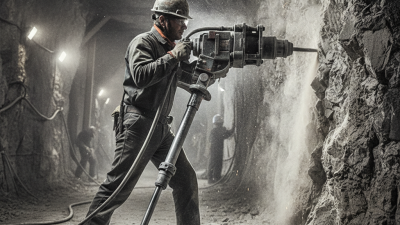
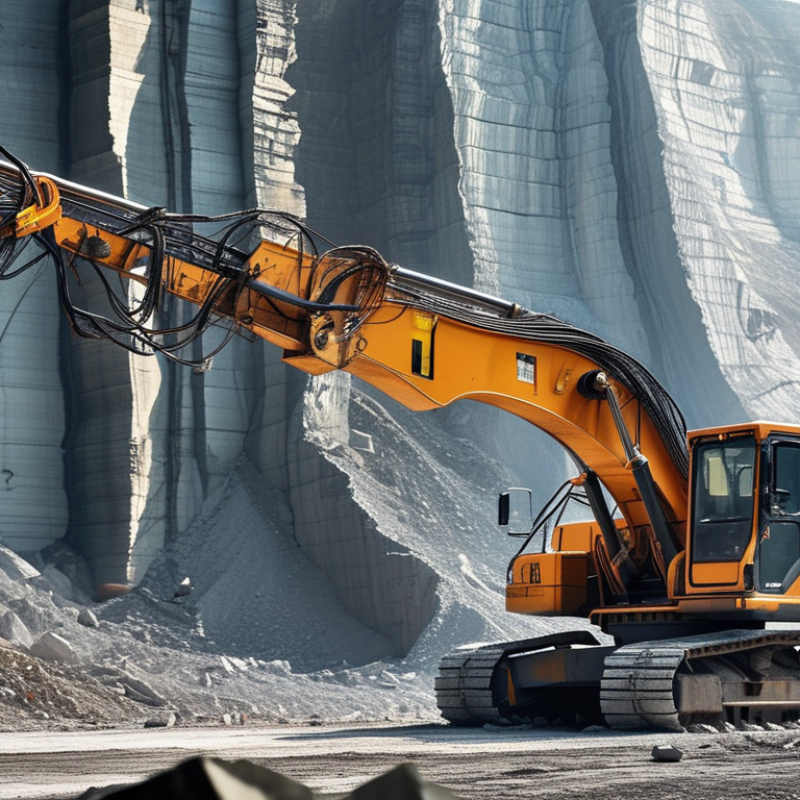
A 30m depth rock drill is a machine designed to penetrate hard rock formations. It is typically used in mining, construction, and geological exploration. These drills can reach depths of up to 30 meters, allowing for access to valuable resources or geological information.
When choosing a rock drill, consider the specific requirements of your project. The type of rock, depth, and desired speed all influence the choice. It’s essential to select a drill with adequate power and torque for the rock you are working with. Always check the specifications carefully.
Tips: Always consult with experts. They can provide insights on the best drill for your needs. Consider environmental conditions too. Understanding the terrain can significantly affect drilling efficiency.
Choosing the right equipment is crucial for successful drilling. If you rush this decision, you might face significant setbacks. Do thorough research and gather multiple opinions before finalizing your choice.
Key Features of 30m Depth Rock Drills
When choosing a 30m depth rock drill, several key features are crucial. Assessing the drill's weight, power, and portability is vital, as these factors play a significant role in efficiency. According to industry reports, substantial weight can hinder mobility. A drill weighing more than 1,500 kg may be less effective in challenging environments.
Another vital feature is the type of drill bits. Carbide-tipped bits are commonly preferred for their durability and effectiveness in tough rock formations. On average, these bits can last up to 300 hours of drilling time in hard rock conditions. Additionally, the drill's hydraulic system should be examined. A well-performing hydraulic system ensures optimal downforce and improves drilling speed, with some models achieving a penetration rate of up to 2 meters per minute.
It's essential to evaluate the drill's safety features. Safety mechanisms, such as emergency shut-offs and stability controls, can prevent accidents. Reports show that improper handling of rock drills contributes to a significant percentage of workplace injuries. Maintaining a focus on safety not only protects operators but also enhances overall productivity. Balancing power, safety, and efficiency in your selection process can lead to better outcomes in rock drilling tasks.
Applications of 30m Depth Rock Drills in Various Industries
30m depth rock drills are essential tools in various industries. Their applications extend from mining to construction and environmental projects. According to a recent industry report by Global Market Insights, the global rock drilling market is expected to grow at a CAGR of 5.8% from 2021 to 2027. This growth highlights the increasing need for efficient drilling methods across sectors.
In mining, 30m depth rock drills help access mineral deposits located deep underground. They ensure precision and safety while minimizing environmental disturbances. In construction, they facilitate anchoring and foundation stabilization. Environmental projects utilize these drills for soil sampling and monitoring. Equipment reliability is crucial in these applications, as downtime can lead to substantial financial losses.
Tip: When selecting a rock drill, consider your drilling requirements and site conditions. Match the drill's capabilities with your project needs for optimal results.
Choosing the right rock drill means evaluating its performance metrics and technical specifications. Some might focus only on depth capability, neglecting features like weight and portability. Be aware that different projects can require tailored solutions. Therefore, consulting with industry experts is advisable.
Tip: Always prioritize drills with a strong safety track record. It's essential to work with tools that minimize risk for operators and the environment.
What is a 30m Depth Rock Drill and How to Choose One? - Applications of 30m Depth Rock Drills in Various Industries
| Industry |
Application |
Depth Capability |
Key Features |
| Mining |
Exploratory Drilling |
Up to 30m |
Versatile Drill Bits |
| Construction |
Foundation Drilling |
Up to 30m |
High Torque |
| Geotechnical |
Soil Sampling |
Up to 30m |
Sample Preservation |
| Environmental |
Contaminated Site Analysis |
Up to 30m |
Minimal Soil Disruption |
| Oil & Gas |
Exploratory Wells |
Up to 30m |
Pressure Control |
Factors to Consider When Choosing a 30m Depth Rock Drill
When choosing a 30m depth rock drill, several factors come into play. The terrain and rock characteristics are crucial. Harder rocks, like granite, may require advanced drill bits and power. Additionally, the drill's weight impacts mobility and ease of use. Heavier models provide stability but may hinder transport.
Tip: Evaluate the site conditions before making a selection. Use data from geological surveys to understand rock types. This ensures the drill meets the specific challenges of the project.
Another key consideration is the drill's power source. Hydraulic and electric options offer distinct advantages. Hydraulic drills excel in remote areas but require a power source. Electric drills, on the other hand, are efficient in urban settings. Equipment reliability is also essential. Regular maintenance and quality checks can reduce downtime significantly.
Tip: Check user reviews and industry reports. According to a recent industry analysis, 30% of users reported issues due to poor maintenance practices. Understanding long-term performance can guide your decision for optimal results.
Maintenance Tips for Extending the Life of Your Rock Drill
Maintaining a rock drill is vital for optimal performance. A 30m depth rock drill can face wear and tear from harsh conditions. Regular maintenance ensures longevity and efficiency. Here are some essential tips to help extend the life of your rock drill.
Clean the drill regularly to prevent debris buildup. Dust and rock particles can grind against internal parts, causing damage. Use a compressed air blower to remove the dust. Keep a schedule for deep cleaning. This practice can help prevent avoidable breakdowns.
Lubrication is another key aspect. Ensure that all moving parts are well-greased. Neglecting lubrication can lead to increased friction and reduce the machine's lifespan. Check fluid levels frequently and refill when necessary. Proper lubrication also enhances performance and reduces the risk of overheating.
Lastly, monitor the wear of drill bits. Dull bits require more pressure and can damage the drill itself. Regularly replace or sharpen bits as needed. Keeping spare parts on hand can prevent unexpected downtime. Being proactive in these areas can save time and costs in the long run.
Performance Comparison of 30m Depth Rock Drills
This chart compares the efficiency of different 30m depth rock drills based on their average drilling speed measured in meters per hour. Choosing the right rock drill will depend on your specific needs and the performance characteristics that suit your projects best.