Top 5 Benefits of Using Mini Submerged Pumps for Efficient Water Management
In today's rapidly evolving water management landscape, the demand for efficient and effective pumping solutions is more crucial than ever. According to a recent industry report by Grand View Research, the global pump market is projected to reach $100 billion by 2025, with mini submersible pumps gaining significant traction due to their compact design and operational efficiency. The versatility of mini submerged pumps makes them ideal for various applications, from residential to agricultural and industrial uses.
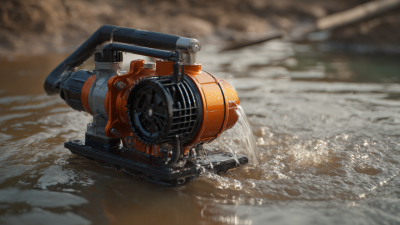
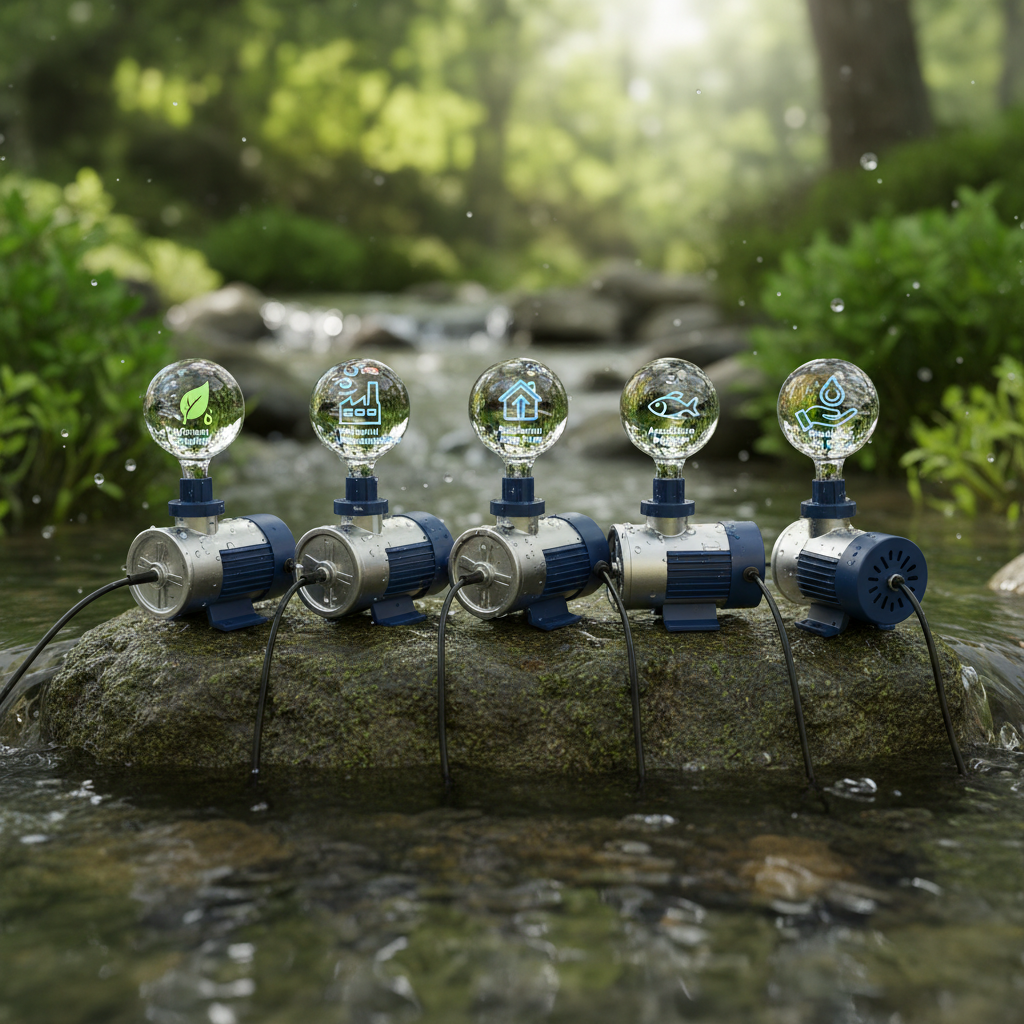 Mini submerged pumps, characterized by their ability to operate underwater, offer numerous advantages that contribute to efficient water management. A study published by Research and Markets indicated that the mini pump sector is experiencing a compound annual growth rate (CAGR) of 5.8%, driven by the increasing need for reliable water management solutions in urban areas facing water scarcity. These pumps not only optimize water usage but also minimize energy consumption, making them a sustainable choice for both consumers and industries.
As water management challenges continue to escalate globally, the utilization of mini submerged pumps stands out as a proactive measure. Their ease of installation, maintenance-free operation, and cost-effectiveness position them as a top choice for efficient water management. In this article, we will delve into the top five benefits of using mini submerged pumps, highlighting their role in enhancing water management systems across various sectors.
Maximizing Water Efficiency: The Impact of Mini Submerged Pumps in Agriculture
Mini submerged pumps are becoming increasingly vital in agriculture, particularly for efficient water management. These compact yet powerful devices help ensure that water is utilized judiciously, optimizing irrigation practices in various farming settings. By enabling targeted water delivery directly to the root zones, mini submerged pumps significantly reduce water wastage, making them an essential tool for modern farmers aiming to improve crop yield while conserving resources.
Tips for implementing mini submerged pumps in agriculture:
- Assess the specific water needs of your crops and adjust the pump settings accordingly.
- Consider installing timers to automate the irrigation process.
- Regular maintenance of the pumps is crucial; it helps maintain performance and prolongs their lifespan.
Additionally, integrating soil moisture sensors with mini submerged pumps allows farmers to monitor moisture levels in real-time, ensuring that irrigation occurs only when necessary. This not only conserves water but also enhances crop health by preventing over-saturation. Embracing these practices can lead to more sustainable and profitable agricultural operations.
Energy Consumption Reduction: How Mini Submerged Pumps Lower Operational Costs
Mini submerged pumps are increasingly recognized for their role in effective water management, particularly due to their energy efficiency. One of the most significant advantages of these pumps is their capacity to lower operational costs through reduced energy consumption. Unlike traditional pumps, mini submerged pumps are designed to operate efficiently at lower horsepower, which translates to significant savings over time. This efficiency is particularly crucial for facilities that rely on continuous water management, such as agricultural operations and industrial settings.
When integrating mini submerged pumps into your water management system, consider the following tips: first, assess your specific water needs to determine the appropriate size and power of the pump. Oversizing a pump can lead to unnecessary energy consumption. Secondly, regularly maintenance and timely repairs will ensure that the pumps operate at peak efficiency, further reducing energy usage. Lastly, take advantage of advanced control systems that can optimize pump performance based on real-time water levels, effectively managing energy use while maintaining operational effectiveness.
By focusing on energy efficiency, mini submerged pumps not only help reduce operational costs but also contribute to a more sustainable approach to water management. Their compact design and reduced energy demands make them an excellent choice for various applications, ensuring that both environment and budget are prioritized.
Top 5 Benefits of Using Mini Submerged Pumps for Efficient Water Management
| Benefit |
Description |
Operational Cost Saving |
| Energy Efficiency |
Mini submerged pumps are designed to consume less energy compared to traditional pumps. |
Up to 30% reduction in energy costs. |
| Compact Design |
Space-saving design allows for installation in tight areas. |
Reduced installation costs. |
| Low Maintenance |
Less mechanical wear leads to lower maintenance frequency. |
Saves approximately 20% on maintenance costs annually. |
| Quiet Operation |
Reduces noise pollution, making them ideal for residential areas. |
Enhanced property value due to improved living conditions. |
| Versatility |
Can be used in various applications including irrigation and wastewater management. |
Increased operational flexibility leads to cost-efficiency improvements. |
Enhanced Durability: The Longevity Benefits of Mini Submerged Pumps in Harsh Conditions
Mini submerged pumps are becoming increasingly popular in various industrial applications due to their remarkable durability, especially in harsh environments. According to a report by the Global Pumps Market, these pumps are designed to withstand extreme conditions, offering a lifespan that can exceed ten years when properly maintained. This durability makes them an ideal choice for industries such as agriculture, construction, and wastewater treatment, where pumps are frequently exposed to corrosive materials and challenging operational conditions.
Furthermore, the ability of mini submerged pumps to operate efficiently in submersed settings allows for enhanced performance that is less susceptible to external factors. A study published by Research and Markets indicates that mini submerged pumps can maintain a superior pumping efficiency of up to 85%, even in high solids and debris environments. This efficiency, combined with their robust construction, results in reduced maintenance costs and downtime, allowing companies to optimize their water management operations while minimizing resource expenditure over time.
Improved Water Quality Management: Addressing Contaminants with Mini Submerged Pumps
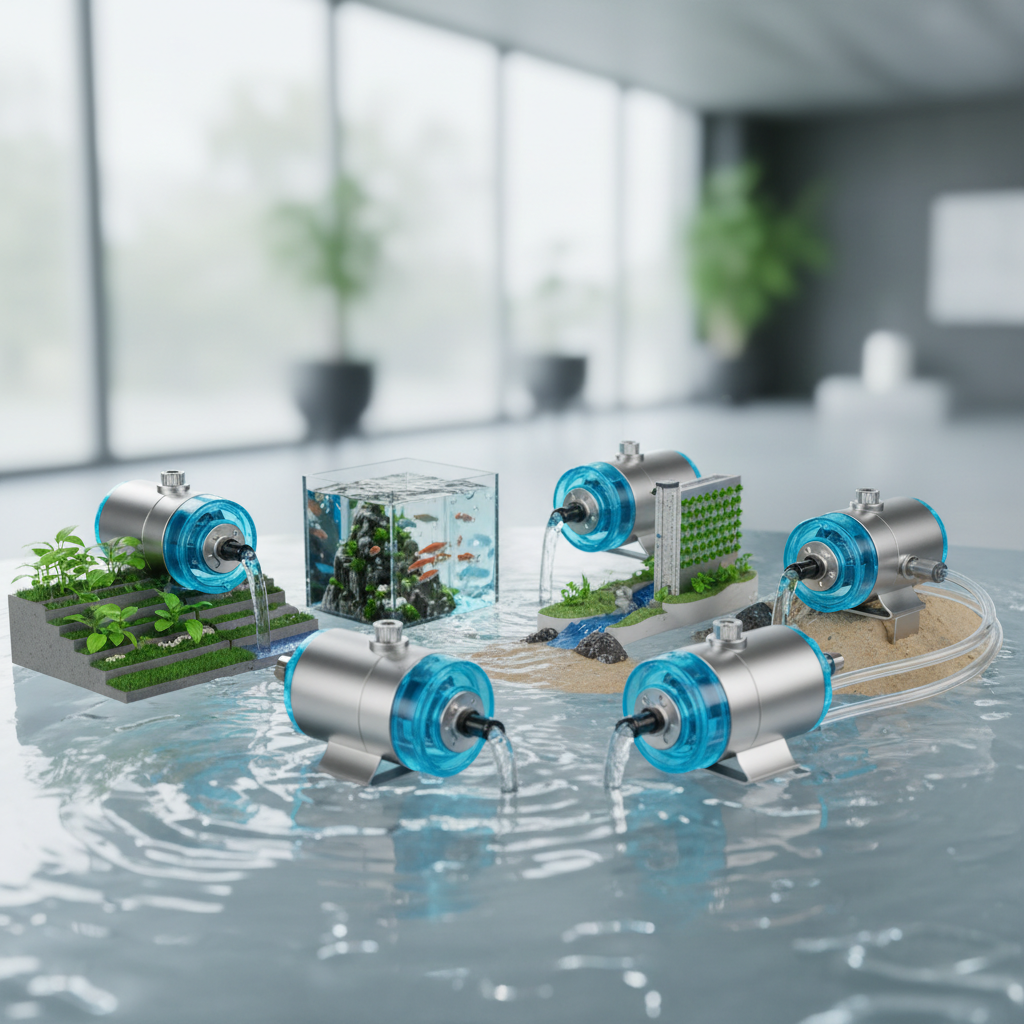
Mini submerged pumps have emerged as a vital solution for managing water quality, especially when addressing various contaminants that threaten both environmental health and public safety. These pumps operate efficiently underwater, making them ideal for both residential and industrial applications where contaminants are prevalent. Their compact design allows for easy installation in confined spaces, ensuring that they can efficiently deliver clean water while minimizing disruption to the surrounding environment.
One of the primary advantages of mini submerged pumps is their ability to filter out harmful substances, including sediments, oils, and chemicals. By continuously circulating water and utilizing filtering systems, these pumps prevent the accumulation of pollutants, ensuring that clean water is consistently available. This improved water quality management not only benefits ecosystems but also provides communities with safer drinking water, thereby enhancing public health.
Additionally, with technological advancements, many mini submerged pumps come equipped with smart controls that monitor water quality in real-time, allowing for prompt action when contaminants are detected.
Versatility in Applications: Mini Submerged Pumps Across Various Water Management Systems
Mini submerged pumps have proven to be incredibly versatile across various water management systems, catering to a wide range of applications. From domestic water supply to agricultural irrigation and industrial processes, these pumps are designed to handle different levels of water management needs efficiently. Their compact size and efficient performance allow them to be easily integrated into existing systems or used in specialized setups, making them a popular choice among users looking for adaptability and ease of use.
The growing trend towards mini-series pumps reflects the increasing demand for efficient water management solutions. Recent launches of new mini-series pumps highlight the innovation in this sector aimed at addressing the needs of diverse user groups. The market for these pumps is anticipated to expand, driven by advancements in technology and a heightened focus on sustainable practices, including the adoption of solar-powered options. As industries and households alike seek to optimize water usage and reduce waste, mini submerged pumps stand out as a practical solution to meet these challenges.
Top 5 Benefits of Using Mini Submerged Pumps for Efficient Water Management
This bar chart illustrates the top 5 benefits of using mini submerged pumps for water management systems, highlighting their versatility, energy efficiency, space-saving design, cost-effectiveness, and ease of maintenance.