Top 10 Best Vertical Slurry Pumps for Efficient Slurry Management
As industries continue to evolve and adapt to the rising demand for efficient slurry management solutions, the importance of selecting the right equipment cannot be overstated. Among the various options available, the Vertical Slurry Pump stands out as a pivotal tool for transporting abrasive and viscous materials with enhanced efficiency. Designed specifically for harsh working environments, these pumps are engineered to tackle the challenges posed by dense slurries, ensuring reliability and longevity in operations.
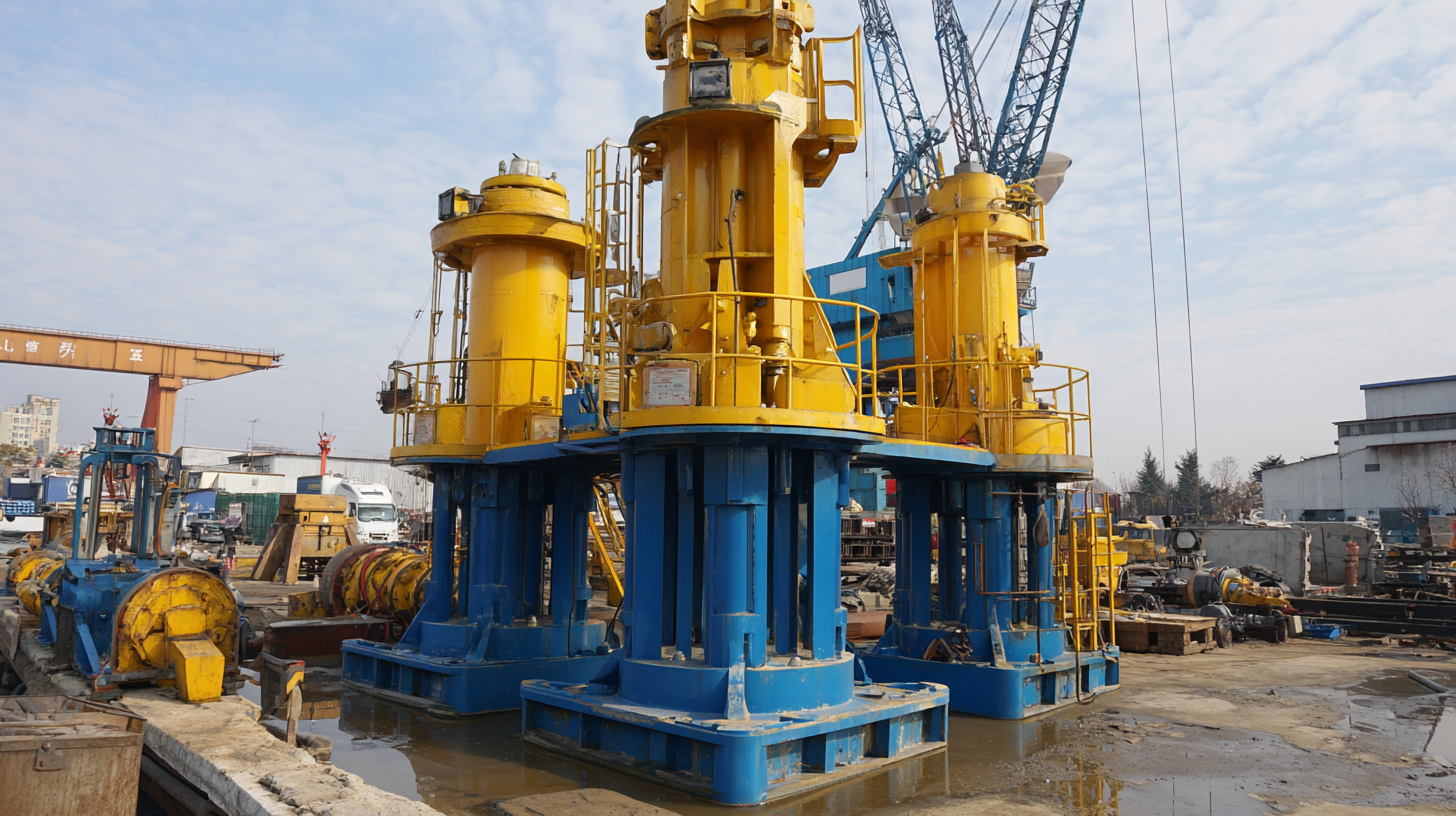
In this article, we will explore the top 10 best Vertical Slurry Pumps for 2025, focusing on their features, applications, and the advantages they bring to different sectors. Whether in mining, construction, or wastewater management, the appropriate Vertical Slurry Pump can significantly improve handling capabilities and reduce operational costs. By examining the latest advancements in pump technology and user recommendations, we aim to provide valuable insights that will assist professionals in making informed decisions for their slurry management needs.
Key Features of Top Vertical Slurry Pumps for Enhanced Efficiency
When selecting the best vertical slurry pumps, certain key features greatly enhance their efficiency. One of the most critical aspects is the material composition of the pump. Pumps made from high-chrome material or other wear-resistant alloys can significantly extend service life by resisting erosion caused by abrasive slurries. Additionally, the design of the impeller plays a vital role. A well-engineered impeller can ensure optimal flow rates while minimizing energy consumption, leading to reduced operating costs over time.
Another essential feature is the pump’s suction design and arrangement. Vertical slurry pumps often excel in applications with limited space, ensuring efficient operation with self-priming capabilities and superior suction conditions. Furthermore, adjustable wear plates and replaceable liners allow for easy maintenance and adaptation to various slurry conditions, providing flexibility that enhances operational efficiency. By incorporating these features, the best vertical slurry pumps not only improve performance but also contribute to a more sustainable slurry management solution.
Top 10 Best Vertical Slurry Pumps for Efficient Slurry Management
| Model |
Max Flow Rate (m³/h) |
Max Head (m) |
Material |
Power (kW) |
Weight (kg) |
Key Features |
| Model A |
150 |
30 |
Cast Iron |
22 |
200 |
High efficiency, corrosion-resistant |
| Model B |
120 |
25 |
Stainless Steel |
15 |
150 |
Durable, low maintenance |
| Model C |
180 |
35 |
Polyurethane |
30 |
250 |
Wear-resistant, high flow rate |
| Model D |
200 |
40 |
Cast Iron |
25 |
300 |
Energy-efficient, long lifespan |
| Model E |
160 |
32 |
Stainless Steel |
20 |
180 |
Robust design, versatile application |
| Model F |
140 |
28 |
Polyurethane |
18 |
160 |
Efficient, low noise operation |
| Model G |
170 |
34 |
Stainless Steel |
27 |
220 |
Compact design, high reliability |
| Model H |
130 |
22 |
Cast Iron |
16 |
170 |
Cost-effective, easy to maintain |
| Model I |
190 |
38 |
Polyurethane |
29 |
240 |
High strength, reliable performance |
| Model J |
155 |
31 |
Cast Iron |
21 |
190 |
Versatile, best for thick slurry |
Comparative Analysis of Pump Performance: Flow Rate and Head Pressure
In the realm of slurry management, the performance of vertical slurry pumps is paramount. A comparative analysis often highlights two critical factors: flow rate and head pressure. According to a recent report by the International Pump Manufacturers Association (IPMA), the optimal flow rate for efficient slurry transport typically ranges from 100 to 5,000 gallons per minute, depending on the application. Vertical slurry pumps, designed to handle thick mixtures, can effectively maintain these flow rates while ensuring minimal energy loss, which is crucial in heavy-duty operations.
Head pressure is another vital parameter, with industry-standard requirements often exceeding 30 feet for many applications. The Hydraulic Institute reports that pumps designed with robust impeller designs and appropriate casing configurations can achieve head pressures of up to 100 feet. This makes them suitable for vertical installations where spatial constraints demand efficient and powerful solutions. Overall, selecting the right vertical slurry pump based on these performance metrics can significantly enhance operational efficiency and reduce downtime in slurry management processes.
Material and Design Considerations in Vertical Slurry Pump Selection
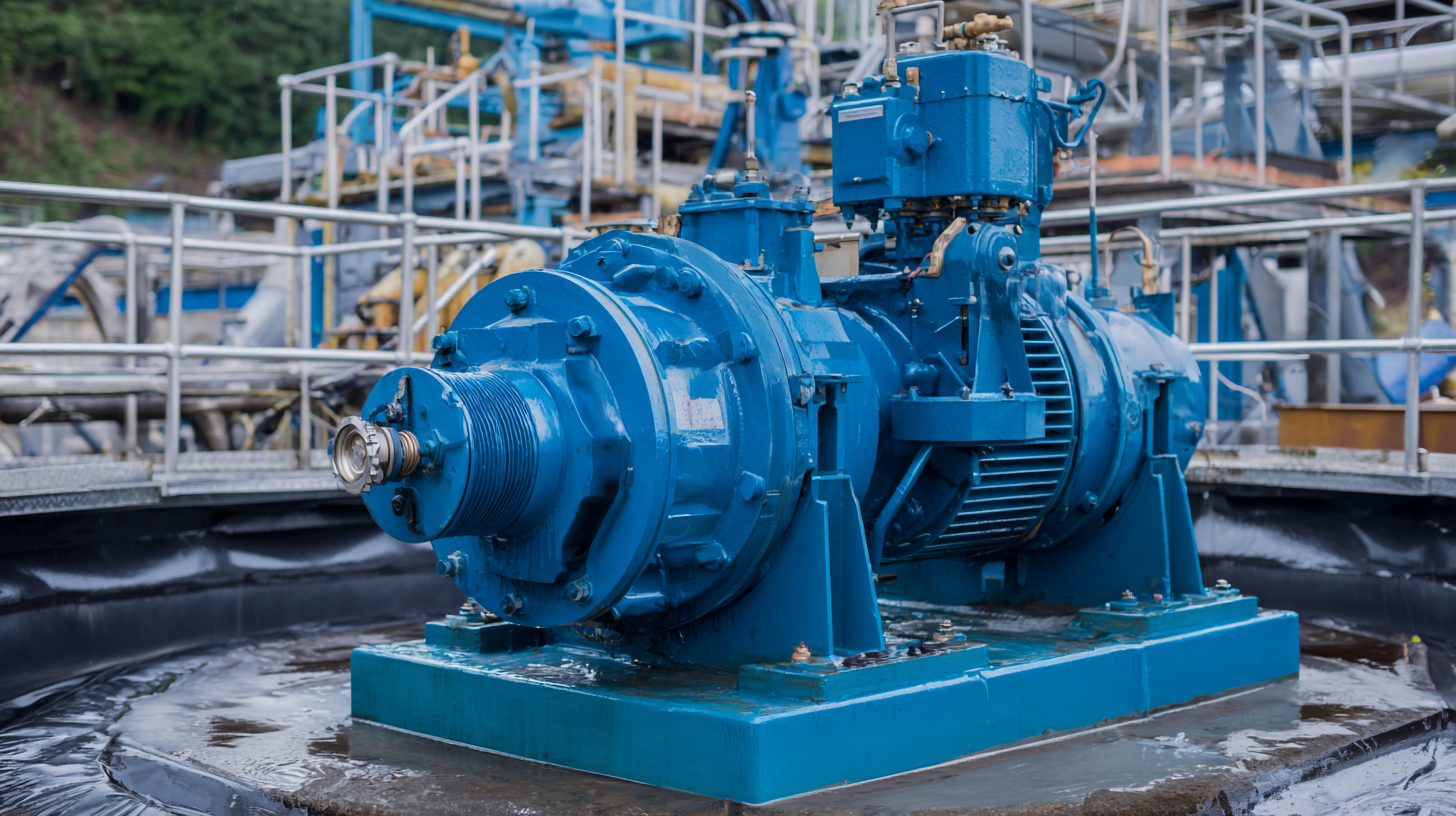
When selecting vertical slurry pumps, material and design considerations play crucial roles in ensuring efficient slurry management. The harsh nature of slurry, which often contains abrasive particles and corrosive substances, demands pumps constructed from robust materials like high-chrome iron, stainless steel, or specialized alloys that can withstand wear and chemical degradation. Additionally, the design of the pump, including impeller shape and size, should accommodate the specific characteristics of the slurry being handled to maximize performance and minimize maintenance needs.
Tip: Always assess the slurry composition before making a selection, as different materials respond uniquely to various chemical and abrasive factors. This assessment will guide you in choosing a pump that not only enhances efficiency but also extends its service life.
Another vital aspect of design is the pump's configuration and mounting options. Consider whether your application requires a submersible or a top-mounted design. Submersible pumps are ideal for deep sump applications, while top-mounted pumps offer easier maintenance access. Additionally, ensure that the pump's hydraulic design aligns with your system's pressure and flow requirements to optimize overall operation.
Tip: Consult with manufacturers to understand the capabilities of their pumps and to ensure that you select a model compatible with your operational conditions and space constraints.
Industry Trends in Slurry Management: Innovations and Best Practices
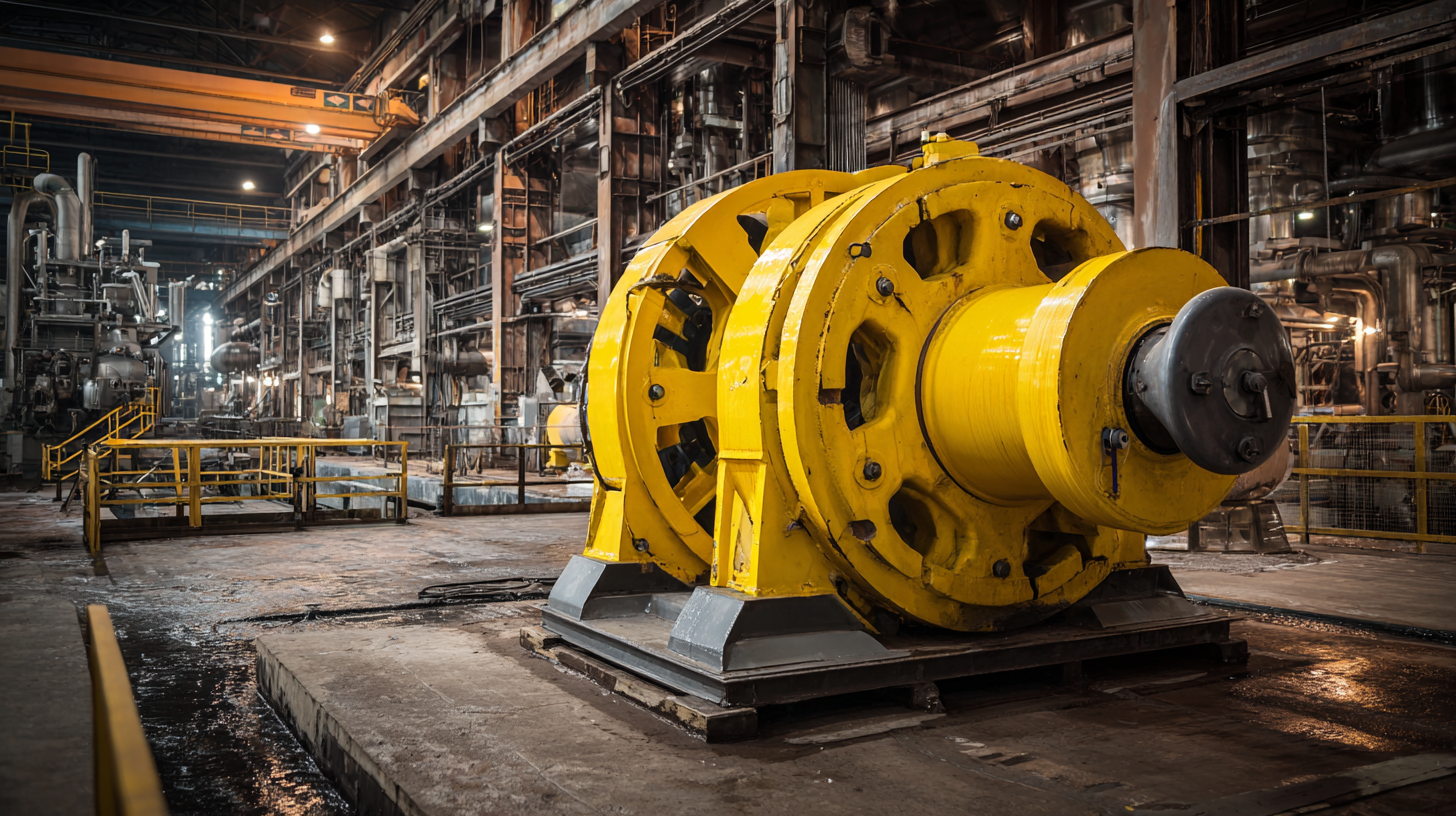
In the evolving landscape of slurry management, industry trends are shaping the way operations handle viscous mixtures. Innovations in pump design, particularly vertical slurry pumps, are at the forefront of these advancements, offering enhanced efficiency and reliability. Modern pumps are being engineered with wear-resistant materials and advanced sealing technologies that significantly extend their lifespan and reduce maintenance costs. This shift towards durability not only minimizes operational downtime but also optimizes the overall efficiency of slurry transportation.
Furthermore, best practices in slurry management are increasingly focusing on sustainability and energy efficiency. Companies are now adopting systems that leverage real-time data analytics to monitor pump performance and slurry properties. This proactive approach allows for fine-tuning operations, reducing waste, and improving energy consumption. As the industry embraces these innovations, it is clear that the future of slurry management will hinge on integrating cutting-edge technology with sustainable practices, ultimately leading to more efficient and environmentally friendly operations.
Cost-Benefit Analysis: Evaluating Long-Term Savings with Efficient Pumps
When considering slurry management solutions, a cost-benefit analysis reveals the long-term savings associated with efficient vertical slurry pumps. These pumps are designed to handle abrasive materials and viscous slurries, reducing the frequency and costs associated with maintenance and replacements. Although the initial investment in a high-quality pump may seem steep, the durability and reliability provided can result in significant savings over time, eliminating the need for frequent repairs or downtime that can disrupt operations.
Moreover, efficient pump designs often lead to lower energy consumption, contributing to operational cost reductions. With advancements in technology, many modern vertical slurry pumps operate at higher efficiency levels, meaning they can pump more material using less power. This not only decreases electricity costs but also minimizes the carbon footprint of operations, aligning with sustainability goals. Ultimately, the evaluation of long-term savings and operational efficiencies underscores the value of investing in top-tier vertical slurry pumps for effective slurry management.