What is a Demolition Breaker and How Does It Work?
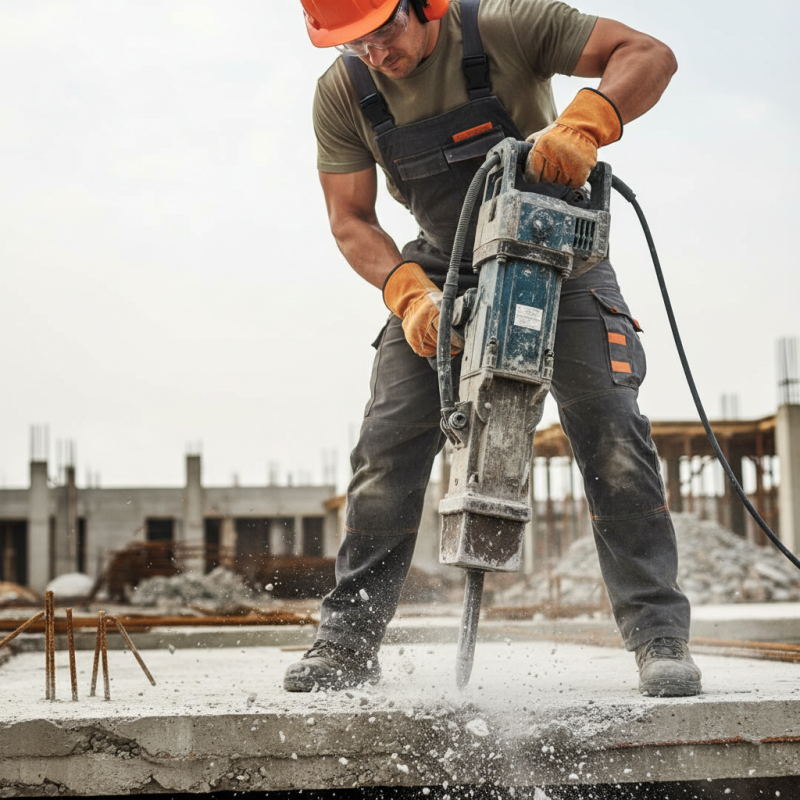
A Demolition Breaker is a powerful tool essential for construction and demolition work. It excels in breaking concrete, asphalt, and other tough materials. Understanding how it operates can greatly enhance its effective use on job sites.
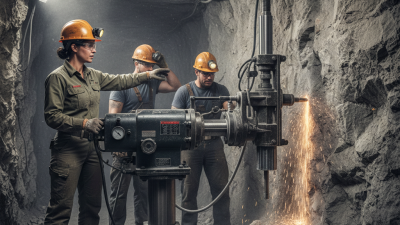
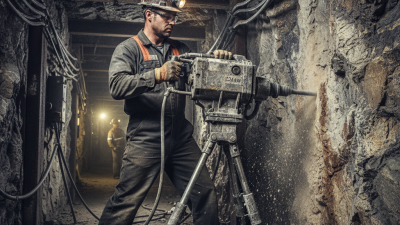
These machines use a combination of hammering and chiseling actions. They deliver high-impact energy in a concentrated force, breaking apart hard surfaces efficiently. However, there are complexities in using a Demolition Breaker. Operators must be trained to manage its weight and vibration. Proper handling ensures safety and improves precision.
Mistakes in using a Demolition Breaker can lead to injuries or damage. It’s crucial to follow guidelines and maintain the equipment properly. Reflecting on the functionality and limitations of a Demolition Breaker enhances its value in construction. Whether you are a seasoned professional or a novice, understanding this tool’s mechanics is key to its successful implementation.
What is a Demolition Breaker?
A demolition breaker is a powerful tool used for breaking concrete and other hard materials. Typically, these tools are either electric or pneumatic. They generate a high level of impact force, making demolition tasks quicker and more efficient. According to industry reports, they can exert up to 1,500 to 2,500 impacts per minute. This allows workers to tackle tough jobs that traditional methods cannot easily manage.
These tools come in various sizes and designs, catering to different demolition needs. For instance, heavy-duty models are often used in construction for large-scale projects. However, operators should be trained adequately. Improper use can lead to safety hazards and decreased efficiency. Notably, a study published by the National Institute for Occupational Safety and Health indicated that a significant percentage of injuries related to demolition tools stem from improper handling techniques.
While the efficiency of a demolition breaker is undeniable, it’s worth noting its limitations. For instance, the weight of larger models can lead to operator fatigue. Additionally, these tools can be loud, contributing to noise pollution in urban areas. Awareness of these drawbacks is essential for contractors aiming for safe and successful demolition operations. The goal should always be a balance between efficiency and safety in demolition work.
The Structure and Components of a Demolition Breaker
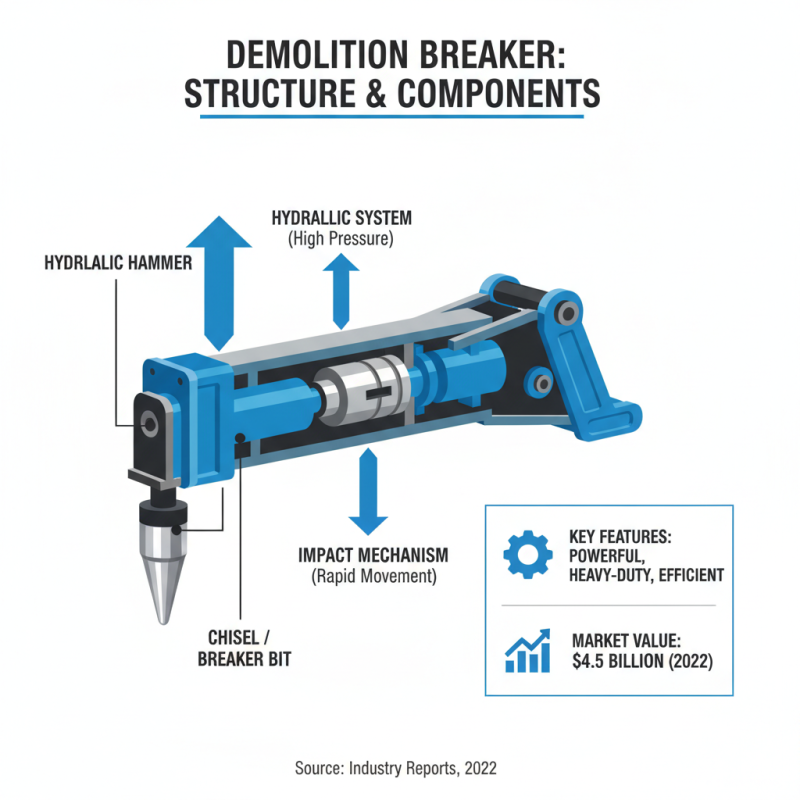
Demolition breakers are powerful tools designed for heavy-duty construction tasks. Understanding their structure and components is essential for effective use. These machines typically consist of a hydraulic hammer, an impact mechanism, and a chisel or breaker bit. The hydraulic system generates high pressure, facilitating the hammer's rapid movement. According to industry reports, the hydraulic breaker market was valued at approximately $4.5 billion in 2022, showcasing its significance in construction.
The impact mechanism is critical. It converts hydraulic energy into mechanical energy, producing strong blows that break concrete and other tough materials. The chisel or bit is often replaceable, allowing flexibility for different tasks. Often, these bits are made from high-grade steel, ensuring durability and longevity. A study by the Construction Equipment Association noted that maintaining these components can reduce operational costs by up to 20%. However, improper maintenance can lead to performance issues, creating a need for regular inspections and replacements.
Ergonomics also play a role in their design. Many breakers come with anti-vibration features to enhance user comfort. However, operators should still be cautious of potential fatigue and injuries. While efficient, these machines can become unwieldy without proper training. Ensuring that all components are in top condition is necessary to maximize effectiveness and safety in urban demolition projects.
How Demolition Breakers Generate Impact Force
Demolition breakers are powerful tools used in construction and renovation. They create impact force through a unique mechanism. This mechanism allows them to break down heavy materials like concrete. The process involves a piston that drives forward, striking a chisel. This action generates a force strong enough to shatter tough surfaces.
The impact force is produced by the energy stored in the breaker. When the piston compresses, it builds up kinetic energy. Once released, this energy transfers to the chisel. The result is a focused force that penetrates materials effectively. However, not all breakers work the same way. Variations in design can affect efficiency and suitability for different tasks.
Understanding the mechanics behind demolition breakers helps in choosing the right tool. It's crucial to consider the work environment and material type. Also, safety is vital. Proper handling reduces the risk of injury. Learning through experience can enhance effectiveness. Users should reflect on their techniques for better outcomes.
Impact Force Generation by Demolition Breakers
Applications of Demolition Breakers in Construction
Demolition breakers play a crucial role in construction projects, especially during dismantling phases. These powerful tools are used to break down concrete structures, walls, and foundations efficiently. Their design allows for maximum impact with minimal user effort, making them ideal for heavy-duty tasks. Operators can wield this equipment to remove old pavements, brickwork, and even stubborn masonry.
In construction, the applications of demolition breakers are diverse. When renovating buildings, they enable workers to swiftly clear old materials. This expedites the construction timeline, allowing for a smoother workflow. Additionally, they are valuable for site preparation. Before new projects begin, demolition breakers help create a clean slate, ensuring that all obstructive elements are removed. Adopting proper safety measures is critical. Workers must be trained to operate these machines effectively and wear protective gear to avoid accidents.
While demolition breakers are effective, their usage demands caution. Improper handling can lead to injuries or structural damage. Operators should be aware of their surroundings and ensure that the work area is safe. Evaluating the structural integrity of buildings before using a breaker is essential. Ignoring these considerations can lead to unexpected challenges. A well-planned approach can mitigate potential risks and maximize efficiency in construction projects.
Safety Precautions When Using a Demolition Breaker
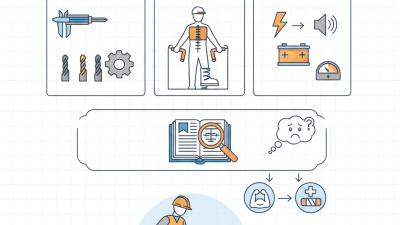
When using a demolition breaker, safety must be the top priority. According to industry standards, around 30% of construction worker injuries involve hand tools. Proper personal protective equipment (PPE) is crucial. Hard hats, safety goggles, and steel-toed boots are essential. Ear protection is also needed, as demolition breakers can produce noise levels that exceed 100 decibels. Prolonged exposure can lead to hearing loss.
Training and awareness are vital. Workers should undergo proper training to operate demolition breakers safely. Reports show that mishandling equipment can account for over 50% of onsite accidents. Understanding how to control debris and maintain a safe work area can significantly reduce risks. Keeping the worksite organized minimizes hazards and injury potential.
Regular equipment checks are necessary. It’s common to overlook wear and tear on tools. A faulty breaker can lead to unexpected malfunctions. All operators should perform pre-use inspections. Monitoring wear on chisels and attachments can prevent accidents. A solid preventive maintenance program is vital for ongoing safety.