What is an Electric Rock Drill and How Does it Work?
Electric rock drills have revolutionized the construction and mining industries, offering efficiency and precision. According to a report by Allied Market Research, the global electric rock drill market is projected to reach $1.2 billion by 2026, growing at a CAGR of 5.4%. This growth highlights the increasing demand for effective drilling solutions.
Expert John Matthews, a leading authority in drilling technology, states, “The Electric Rock Drill is essential for modern excavation projects.” This underscores its significance in improving productivity while minimizing environmental impact. Electric rock drills operate with an electric motor, which reduces noise and vibration compared to traditional pneumatic systems. These advantages make them an attractive choice for urban construction sites.
Despite the benefits, challenges remain. The dependency on a consistent power supply can limit mobility and operation in remote areas. Additionally, while electric drills reduce emissions, their initial investment can be daunting for some companies. Therefore, careful consideration of project needs is essential. As the industry evolves, a balance between innovation and practicality in electric rock drilling must be achieved.
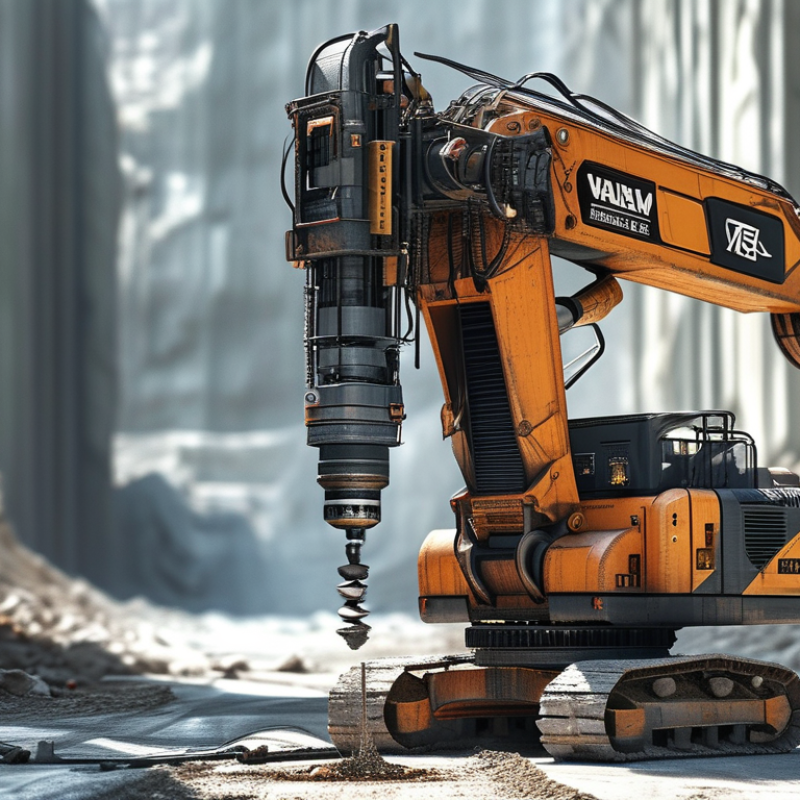
What is an Electric Rock Drill?
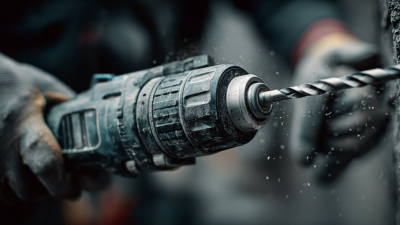
An electric rock drill is a powerful tool used for drilling into hard surfaces like rock and concrete. It typically utilizes a rotating drill bit that grinds away material, making holes for various construction and demolition tasks. These drills are versatile and can be found in quarries, mines, and construction sites.
The mechanism of an electric rock drill involves an electric motor that drives the drill bit. The motor provides the force needed to penetrate tough materials. As the drill bit spins, it chips away the rock, creating dust and debris. Users often need protective gear due to flying particles and noise. While electric rock drills prove effective, they require careful handling. Improper use can lead to damage or injury.
Maintenance is another crucial aspect. Regular inspections ensure the drill operates efficiently. Users should check for wear on drill bits and electrical connections. Neglecting maintenance can lead to equipment failure, which may cause project delays. Exploring the balance between power and precision is key for operators. Electric rock drills have revolutionized drilling, but their complexity demands respect and knowledge.
Key Components of Electric Rock Drills
Electric rock drills are powerful tools used in construction and mining. They are designed for drilling through hard materials like rock and concrete. Understanding their components helps in appreciating how they operate effectively.
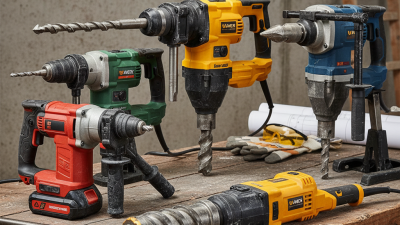
Key components include the motor, drill bit, and grip. The motor generates the necessary torque. Drill bits come in various shapes and sizes for different tasks. A quality bit can drastically enhance drilling efficiency. The grip allows for steady control during operation. A well-designed grip can reduce fatigue and improve precision.
Tip: Always check the drill bit before use. A worn-out bit can lead to inefficient drilling and unnecessary wear on the motor.
Another component is the cooling system. This prevents overheating during extended use. An overheated drill may hinder performance and safety. Regular maintenance is essential to keep the cooling system functioning well.
Tip: Be mindful of using proper lubricants. This will extend the lifespan of both the drill bit and the motor. Investing time in maintenance yields better results in the long run.
Electric Rock Drill Performance Comparison
This bar chart compares two different electric rock drills based on key performance metrics including power, weight, drilling speed, and vibration level. The data reflects typical specifications you might find in the industry.
How Electric Rock Drills Operate Mechanically
Electric rock drills are powerful tools commonly used in construction and mining. They convert
electrical energy into mechanical energy, enabling efficient drilling in hard surfaces.
The core mechanism involves a rotating drill bit that penetrates rock or concrete. This is driven by an electric motor, which provides consistent torque and speed.
The drill consists of several essential components. The motor generates motion, while the gearbox converts this to the high rotational speed needed for effective drilling.
The drill bit, often made of carbide or diamond, is designed for durability. It creates holes of various sizes, depending on the project requirements.
Cooling systems may be integrated to prevent overheating during prolonged use.
Despite their efficiency, users sometimes overlook maintenance needs. Proper care is essential to avoid premature wear and malfunction.
Mechanics of electric rock drills can be intricate. Misalignment can lead to uneven drilling or equipment failure. Understanding these nuances can improve performance.
Regular checks and a basic understanding of mechanical operations promote reliability and longevity.
Applications of Electric Rock Drills in Various Industries
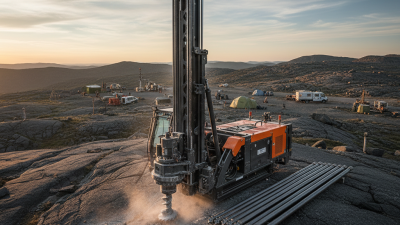
Electric rock drills play a vital role in various industries. They are essential tools for mining, construction, and geological exploration. These drills are designed to penetrate tough rock materials, making them invaluable in these sectors. In mining, electric rock drills enable efficient excavation of minerals. They help operators reach deeper levels safely and quickly.
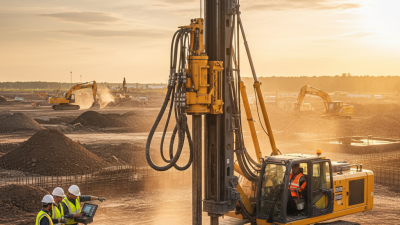
In construction, these drills support foundation work and infrastructure development. They allow for precise drilling, which is crucial when creating stable structures. Beyond these applications, electric rock drills are also used in the installation of utilities like pipelines and cables. Workers utilize them for trenching and digging in hard surfaces.
Despite their advantages, challenges arise. The depth and hardness of rock can affect performance. Operators need to adjust techniques based on varying conditions. Proper training is necessary to maximize the drill's efficiency while minimizing risks. Electric rock drills require regular maintenance to ensure reliability. Understanding these aspects is crucial in their application across different industries.
Maintenance Tips for Electric Rock Drills
Electric rock drills are powerful tools used in various construction and mining applications. Proper maintenance is essential for their performance and longevity. Regularly checking the drill bits is crucial. If they are worn down or damaged, the efficiency of the drill decreases. Dull bits require more energy and can lead to overheating.
Lubrication is another key aspect of maintenance. Keeping the moving parts well-lubricated reduces friction and wear. It also prevents overheating during operation. Use suitable lubricants as per the tool's specifications. Periodic cleaning is vital as well. Dust and debris can accumulate, affecting performance. Ensure to clean the vents and air filters regularly.
It's easy to overlook maintenance when you’re busy. However, neglecting it can lead to costly repairs. Paying attention to your electric rock drill will help you avoid these issues. Simple routines like checking tightness on bolts and connections can make a big difference. Keep a maintenance log to track services performed over time. It might seem tedious, but it’s a worthwhile investment for a reliable tool.
What is an Electric Rock Drill and How Does it Work? - Maintenance Tips for Electric Rock Drills
| Feature |
Description |
Maintenance Tip |
| Power Source |
Electricity, allowing for quieter operation compared to pneumatic drills. |
Regularly check cords for damage and ensure proper grounding. |
| Weight |
Typically heavier than cordless options, providing stability during use. |
Use proper lifting techniques to avoid strain during transport. |
| Drilling Depth |
Can drill deep holes in various materials, ideal for construction. |
Perform routine depth checks and calibrate when necessary. |
| Cooling System |
Built-in systems to prevent overheating during extensive use. |
Ensure vents are clear and regularly inspect cooling components. |
| Safety Features |
Includes protective guards and automatic shut-off options. |
Verify all safety features function correctly before each use. |