How to Improve Indoor Air Quality with Ventilation Machines for Healthier Living Spaces
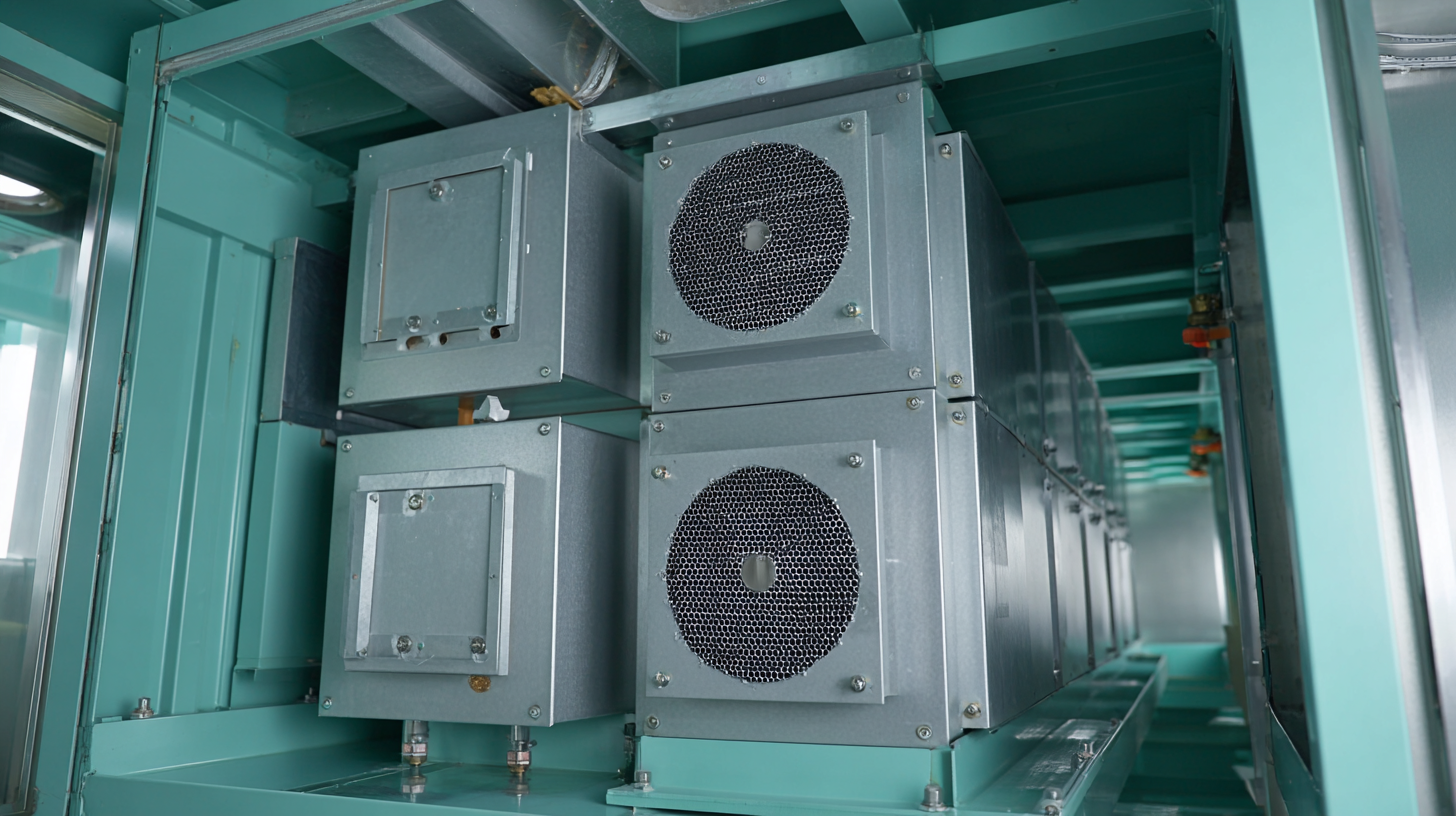 Indoor air quality (IAQ) significantly impacts our health and well-being, with studies indicating that poor air quality can contribute to various health issues, such as respiratory diseases, allergies, and even cognitive decline. According to the Environmental Protection Agency (EPA), indoor air can be up to five times more polluted than outdoor air, making it crucial to address ventilation in living spaces.
Ventilation machines play a pivotal role in mitigating these risks by improving air circulation and filtering out pollutants, thereby creating a healthier environment. Research from the World Health Organization (WHO) highlights that proper ventilation can reduce the concentration of indoor air pollutants and enhance overall health outcomes. By implementing effective ventilation solutions, households can not only enhance their comfort but also foster a healthier lifestyle for all inhabitants.
Indoor air quality (IAQ) significantly impacts our health and well-being, with studies indicating that poor air quality can contribute to various health issues, such as respiratory diseases, allergies, and even cognitive decline. According to the Environmental Protection Agency (EPA), indoor air can be up to five times more polluted than outdoor air, making it crucial to address ventilation in living spaces.
Ventilation machines play a pivotal role in mitigating these risks by improving air circulation and filtering out pollutants, thereby creating a healthier environment. Research from the World Health Organization (WHO) highlights that proper ventilation can reduce the concentration of indoor air pollutants and enhance overall health outcomes. By implementing effective ventilation solutions, households can not only enhance their comfort but also foster a healthier lifestyle for all inhabitants.
Understanding the Importance of Indoor Air Quality for Health and Comfort
Indoor air quality (IAQ) is a crucial aspect of our living environments, directly influencing our health and overall comfort. Poor IAQ can lead to a range of health issues, including respiratory problems, allergies, and even long-term conditions such as asthma. Therefore, understanding the elements that contribute to indoor air pollution, like dust, mold, and volatile organic compounds (VOCs), is essential for creating a healthier living space. Regular monitoring and improving IAQ can promote better mental and physical well-being, significantly enhancing our quality of life.
Ventilation machines play a vital role in improving indoor air quality by effectively circulating and filtering the air in our homes. These machines, including air purifiers and ventilation fans, help remove contaminants, reduce humidity levels, and bring in fresh outdoor air. By integrating such machines into our living spaces, we can mitigate the risks associated with poor indoor air quality. Prioritizing proper ventilation not only fosters a healthier atmosphere but also provides comfort through regulated temperatures and reduced pollutants, making it an essential investment for any home.
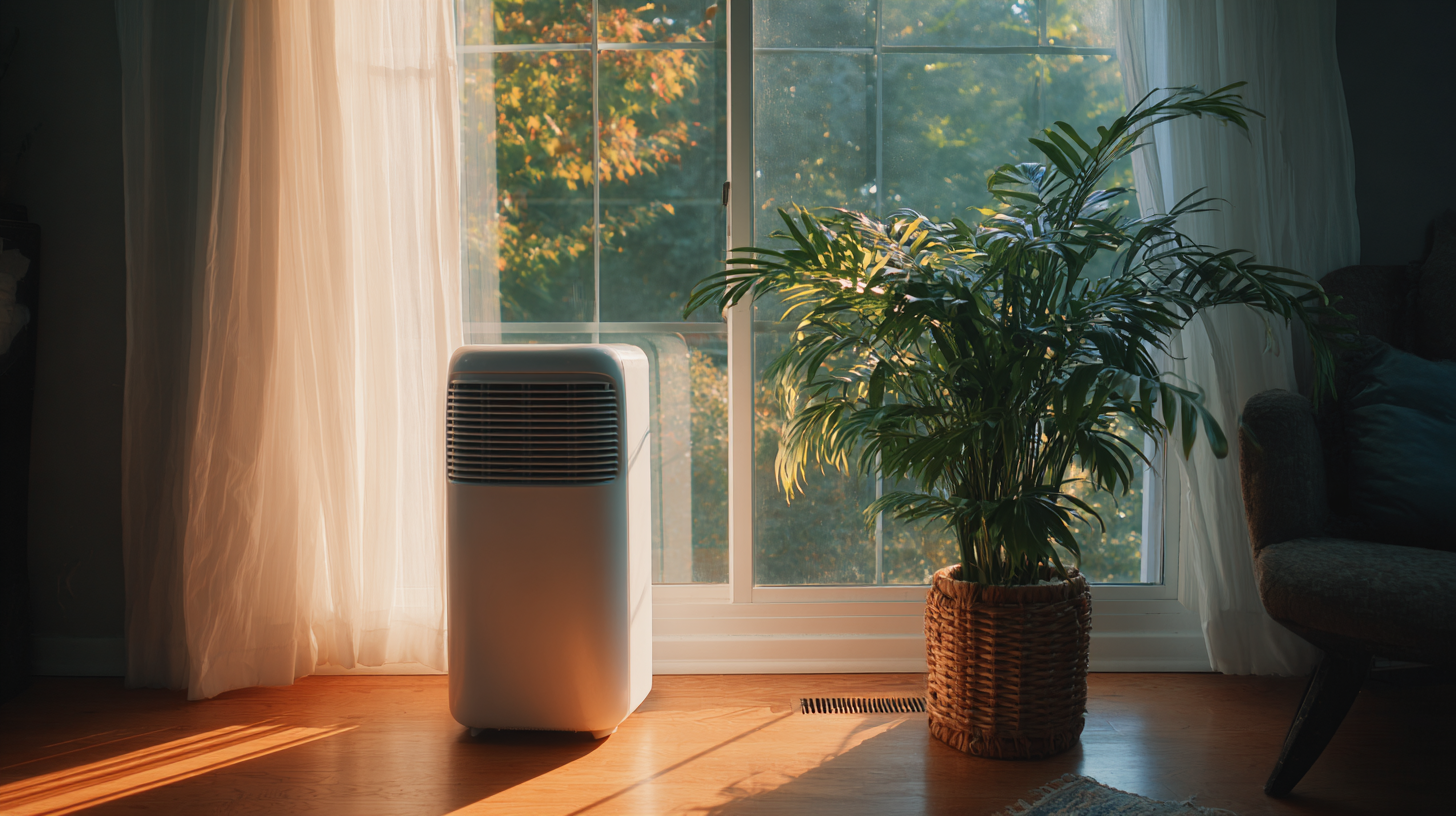
Key Types of Ventilation Machines and Their Role in Enhancing Air Quality
Ventilation machines play a crucial role in enhancing indoor air quality, particularly in urban environments where outdoor air pollution can seep into homes and vehicles. Various types of ventilation machines, such as exhaust fans and air purifiers, actively help in reducing airborne contaminants, including PM2.5, which is a significant concern for both indoor and outdoor settings. A recent market analysis indicated that an increasing number of vehicle owners are opting for portable air purifiers to combat smog and improve in-car air quality. This trend highlights the growing awareness of air pollution's impact on health and the steps individuals are taking to mitigate risks.
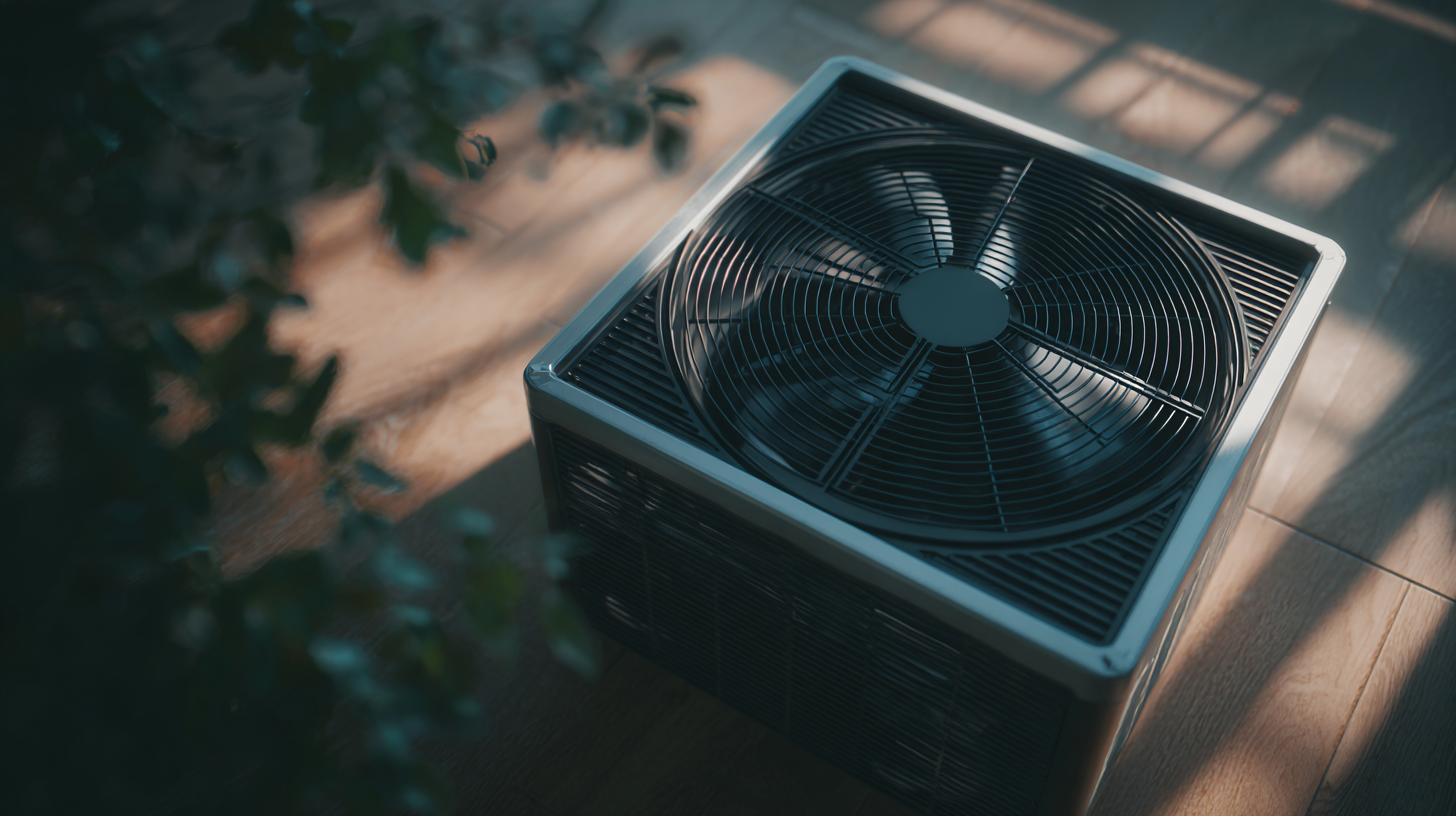
According to industry reports, air purifiers, often referred to as air cleaning devices, are designed to absorb, decompose, or transform various air pollutants, including fine particulate matter, dust, pollen, and harmful VOCs like formaldehyde. The 2021 Air Purifier Industry Development Report noted a significant increase in consumer demand for these devices, as more people recognize the importance of maintaining healthier living spaces. With advancements in purification technologies, selecting the right equipment tailored to specific air quality issues can lead to significant improvements, ensuring a safer and more comfortable indoor environment.
Industry Data on the Impact of Poor Indoor Air Quality on Health Outcomes
Indoor air quality (IAQ) significantly affects health outcomes, and industry data suggests that poor IAQ is linked to a wide range of health problems. Research indicates that individuals exposed to high levels of indoor pollutants such as volatile organic compounds (VOCs), mold spores, and particulate matter are at a greater risk of developing respiratory issues, cardiovascular diseases, and even neurological conditions. Statistics reveal that up to 50% of illnesses may be aggravated or caused by poor indoor air quality, highlighting the urgent need for effective solutions.
Ventilation machines play a critical role in mitigating these health risks by enhancing air circulation and filtration within indoor spaces. By utilizing advanced technology, these machines can significantly reduce the concentration of harmful pollutants, thereby improving overall IAQ. Data suggests that homes and workplaces equipped with proper ventilation systems experience fewer health complaints, raising productivity and overall well-being. Investing in ventilation solutions is, therefore, not only a means to create a healthier living environment but also an essential step toward improving public health outcomes on a larger scale.
Impact of Poor Indoor Air Quality on Health Outcomes
Best Practices for Implementing Ventilation Solutions in Residential Spaces
To implement effective ventilation solutions in residential spaces, it's essential to start with an assessment of the existing airflow and air quality. Homeowners should examine areas prone to moisture and pollutants, such as kitchens and bathrooms. Introducing exhaust fans in these areas can significantly reduce humidity levels and airborne contaminants. Additionally, ensuring that there are adequately placed vents throughout the home promotes a balanced airflow, which is crucial for maintaining optimal indoor air quality.
Another best practice involves incorporating air purifiers alongside ventilation systems. While ventilation machines help circulate outdoor air into the home, air purifiers work to filter out harmful particles, including allergens and toxins, ensuring that the air entering the living spaces is clean and healthy. Regular maintenance of both ventilation and purification systems is vital to keep them functioning effectively. This includes cleaning or replacing filters, inspecting duct systems for obstructions, and verifying that exhaust systems are operational. By following these practices, homeowners can create a healthier living environment that significantly improves indoor air quality.
How to Improve Indoor Air Quality with Ventilation Machines for Healthier Living Spaces
| Dimension |
Description |
Best Practice |
Expected Outcome |
| Air Change Rate |
The volume of outdoor air exchanged in a home. |
Aim for at least 0.35 air changes per hour. |
Improved air freshness and reduced pollutants. |
| Ventilation Type |
Types include exhaust, supply, and balanced ventilation. |
Choose a balanced system for optimal performance. |
Consistent air quality and thermal comfort. |
| Filter Maintenance |
Regularly change or clean air filters in ventilation systems. |
Check filters every 3 months. |
Reduced allergens and improved airflow efficiency. |
| Humidity Control |
Manage indoor humidity levels for comfort and health. |
Keep humidity between 30%-50%. |
Prevention of mold and improved respiratory health. |
| Source Control |
Minimizing pollutants at the source. |
Use non-toxic materials and proper storage. |
Less indoor toxins and better overall health. |
Evaluating the Effectiveness of Ventilation Machines: Metrics and Case Studies
Evaluating the effectiveness of ventilation machines is crucial for understanding their role in enhancing indoor air quality. Metrics such as air exchange rates, particulate matter levels, and humidity control provide valuable insights into how well these systems perform. For instance, an air exchange rate of at least 0.35 air changes per hour is often recommended to ensure that indoor air is effectively refreshed. Monitoring particulate matter levels before and after the installation of ventilation machines can demonstrate tangible improvements in air quality, making it easier for homeowners and businesses to quantify the benefits of their investment.
Case studies from various environments, including schools, offices, and homes, offer compelling evidence of the effectiveness of ventilation machines. In a recent study conducted in a primary school, the installation of an advanced ventilation system led to a 40% reduction in airborne allergens and pollutants, significantly improving the health and concentration of students. Similarly, in office settings, enhanced ventilation systems have resulted in fewer employee sick days and improved overall satisfaction. These real-world examples not only highlight the performance of ventilation machines but also underscore the importance of choosing the right system based on specific indoor air quality challenges.