Mastering the Jack Hammer Manual: Essential Tips and Techniques for Efficient Use
The use of a jack hammer, a powerful tool in the construction and demolition industries, requires a solid understanding of its operation and maintenance, as outlined in the "Jack Hammer Manual."
According to a recent report by the Occupational Safety and Health Administration (OSHA), proper training and adherence to safety protocols can reduce the risk of injury by up to 30% when using heavy machinery. Efficient use of a jack hammer not only enhances productivity but also prolongs the tool's lifespan, which is crucial as the average operational costs associated with power tools can add up to thousands of dollars annually for contractors.
By mastering the techniques outlined in the "Jack Hammer Manual," operators can achieve optimal performance while ensuring their safety and the efficiency of their projects.
Understanding the Components and Mechanism of a Jack Hammer
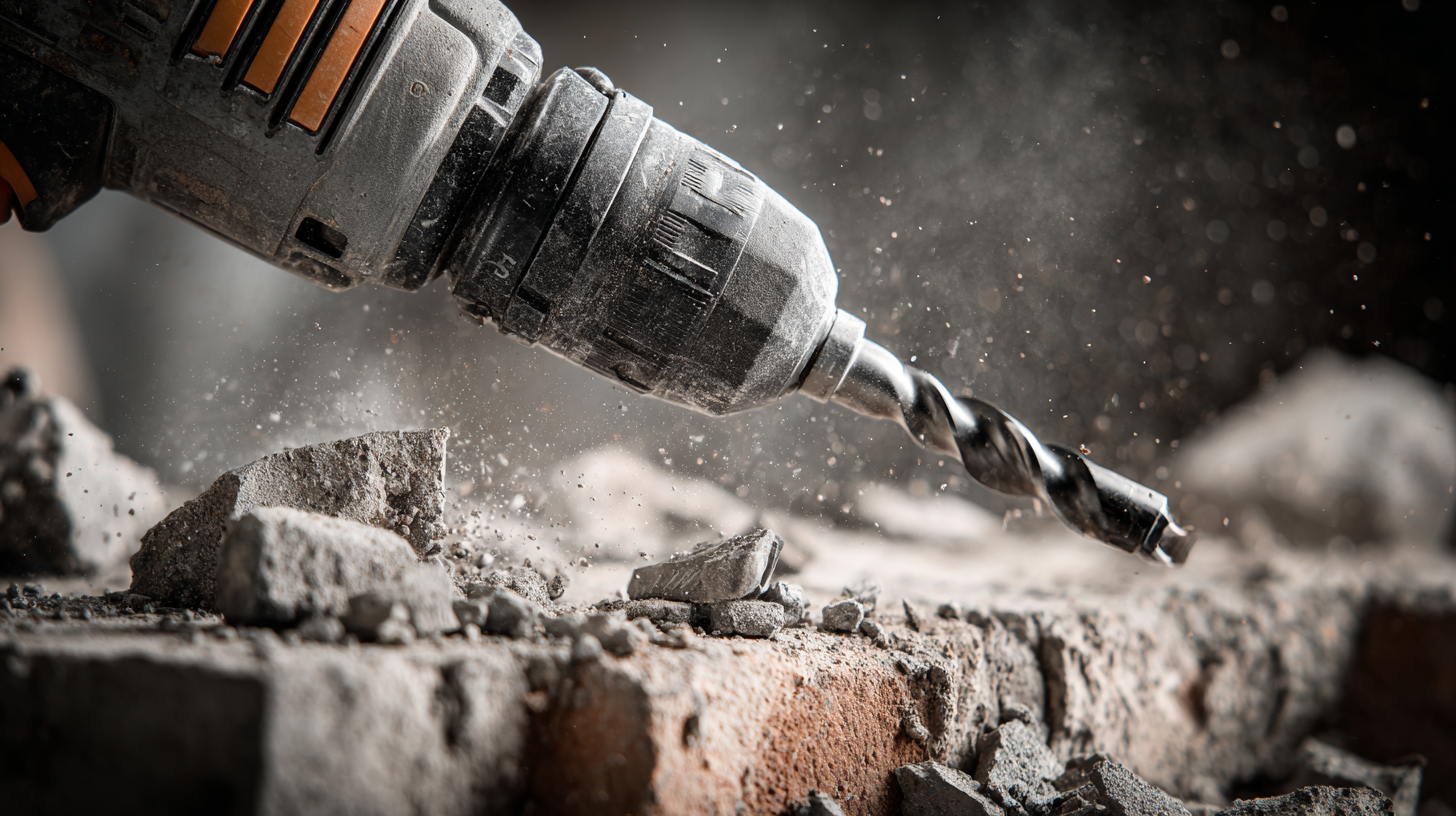
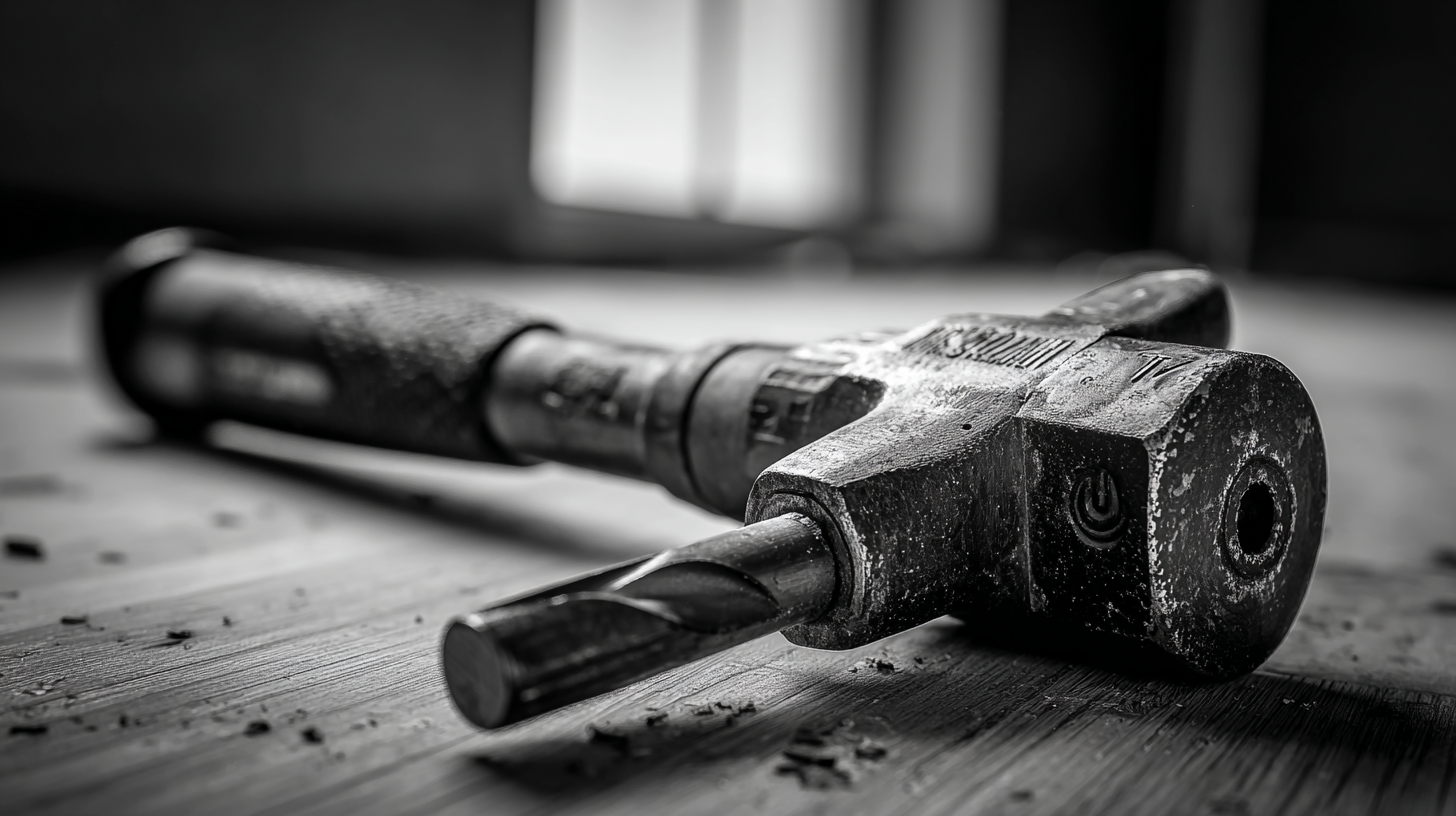
A jack hammer, also known as a pneumatic drill, is a powerful tool that combines a hammer and chisel to break up concrete, asphalt, and other tough materials. Understanding the components and mechanics of a jack hammer is crucial for effective and safe operation. Key components typically include the motor, piston, and the drill bit, each playing an essential role in creating the jack hammer's forceful impact. According to a report by the Occupational Safety and Health Administration (OSHA), improper use of such tools contributes to nearly 40% of workplace injuries related to heavy machinery. This emphasizes the need for a firm grasp on how a jack hammer operates.
**Tip:** Before starting a jack hammer, always inspect the equipment thoroughly. Ensure that all parts are in good condition and functioning properly. Check the air supply, if applicable, and confirm that the drill bit is securely attached.
The mechanism of a jack hammer relies on compressed air or electricity to drive the piston, creating rapid up-and-down movements of the drill bit. The efficiency of this tool can significantly impact project timelines. Research from the Construction Industry Institute shows that using high-quality equipment can reduce job completion time by up to 25%.
**Tip:** When using a jack hammer, maintain a steady grip and keep your feet firmly planted to minimize vibration and prevent fatigue. Proper stance and control can greatly enhance both your safety and the tool's effectiveness.
Mastering the Jack Hammer: Performance Metrics
This chart displays the average efficiency and operational rates of jack hammers based on different power settings. Understanding these metrics can help users optimize their usage and improve productivity.
Safety Precautions for Operating a Jack Hammer Effectively
When operating jackhammers and handheld powered chipping tools, safety precautions are paramount, particularly due to the risks associated with respirable crystalline silica. These tools can generate dust that poses serious health risks to workers. To mitigate these dangers, implementing proper dust control methods is crucial.
Tips to control silica dust include using water to dampen the area where the tool will be used, as moisture can significantly reduce airborne particles. Additionally, utilizing vacuum attachments designed for these specific tools can effectively capture dust at the source, minimizing inhalation risks. Regular maintenance and checks on these dust-containment systems ensure they remain effective throughout the project.
Moreover, personal protective equipment (PPE) should never be overlooked. Respirators equipped with P100 filters can provide an additional layer of protection against silica dust. Always ensure that workers are trained on proper dust control techniques and the correct use of PPE. Following these guidelines will not only ensure compliance with safety regulations but also foster a healthier work environment.
Techniques for Improving Precision and Control While Using a Jack Hammer
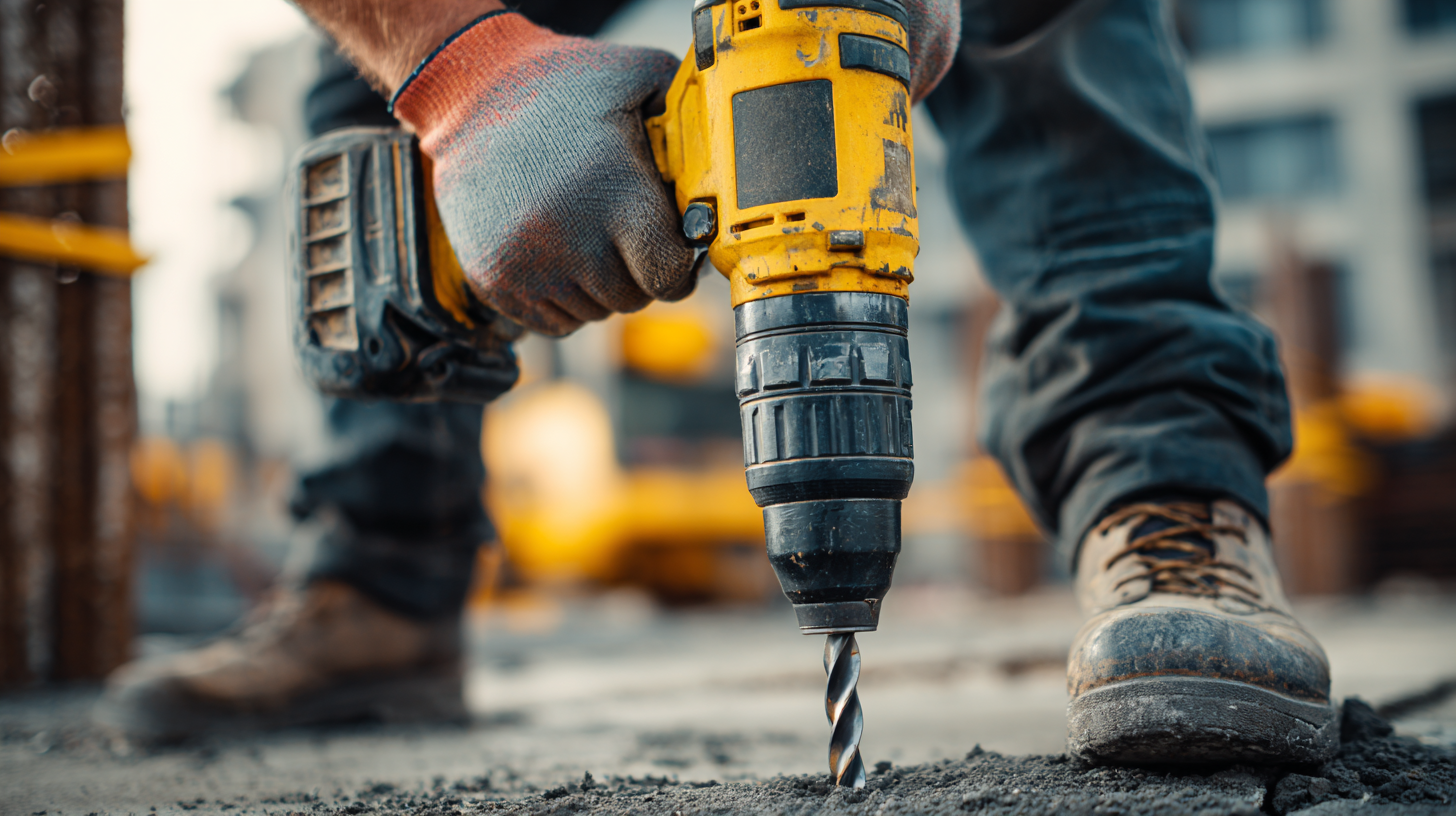
When using a jack hammer, precision and control are paramount for achieving efficient results while minimizing safety risks. According to the Bureau of Labor Statistics, over 200,000 injuries occur annually in the construction industry due to improper tool handling. To enhance precision and control, operators should first focus on their stance and grip. A firm, balanced stance—feet shoulder-width apart—coupled with a two-handed grip on the tool allows for better stabilization and reduces the likelihood of accidents.
Moreover, mastering the technique of operating a jack hammer involves understanding the rhythm of the tool. Reports from tool manufacturers suggest that a consistent, steady rhythm not only enhances penetration into tougher materials but also lessens fatigue. Adjusting the pressure applied to the jack hammer, depending on the surface being worked on, can significantly improve control. It is crucial to let the tool do the work—forcing it down can lead to excessive wear on the jack hammer and increase the risk of mishaps. By focusing on these techniques, operators can ensure safer and more efficient use of jack hammers, leading to improved outcomes in their projects.
Mastering the Jack Hammer Manual: Essential Tips and Techniques for Efficient Use
| Tip/Technique |
Description |
Benefits |
Recommended Tools |
| Proper Stance |
Maintain a stable and balanced position to control the tool effectively. |
Improves overall control and reduces strain. |
Safety boots, gloves |
| Controlled Pressure |
Apply consistent and even pressure while operating. |
Enhances precision and effectiveness. |
Pressure gauge |
| Regular Breaks |
Take short breaks to avoid fatigue. |
Maintains focus and prevents accidents. |
Watch, timer |
| Tool Maintenance |
Regularly inspect and maintain the jack hammer. |
Increases tool lifespan and efficiency. |
Lubricants, cleaning tools |
| Vibration Dampening |
Use dampening gloves or accessories. |
Reduces hand-arm vibration syndrome. |
Anti-vibration gloves |
Maintenance Tips to Enhance the Lifespan of Your Jack Hammer
To ensure the longevity of your jack hammer, regular maintenance is key. Start by checking the
air filter and cleaning or replacing it as necessary. A clogged filter can reduce efficiency and lead to increased wear on the motor.
Additionally, regularly inspect the lubrication levels; using the right type and amount of oil can significantly enhance the performance of the hammer
and prevent overheating.
Another essential tip is to frequently examine the bits and chisels used with the jack hammer. Keep them sharp and free from damage to ensure
optimal performance during use. Dull tools not only affect productivity but can also cause extra strain on the equipment, leading to potential malfunctions. Lastly, after each use,
clean the exterior and remove any debris, which not only keeps the machine looking good but also prevents build-up
that could impair functionality. By following these maintenance tips, you'll enhance the lifespan and efficiency of your jack hammer, ensuring it remains a reliable tool for all your
demolition needs.
Common Troubleshooting Solutions for Jack Hammer Issues
When using a jack hammer, troubleshooting common issues can greatly enhance efficiency and ensure safety on the job. One frequent problem encountered is a loss of power, which can stem from several causes such as poor connections, a faulty power source, or overloading. To resolve this,
first inspect the electrical connections for any signs of wear or damage. If necessary, check the outlet and ensure the circuit can handle the tool’s demands.
Another challenge can be excess vibration, which not only affects the quality of work but can lead to operator fatigue. To mitigate this, adjust the way you hold the jack hammer and take regular breaks to minimize strain. Always wear protective gear to safeguard against vibration-related injuries.
Here are some essential tips:
regularly maintain your jack hammer by cleaning and lubricating it according to the manufacturer's instructions. Additionally, familiarize yourself with the machine’s manual as it contains specific troubleshooting steps and safety features that can prevent many common issues.