What is a Mini Submerged Pump and How Does It Work?
A Mini Submerged Pump is a vital tool in various applications. This compact device operates underwater, efficiently moving liquids from one place to another. Many industries rely on these pumps for tasks like draining water from basements or managing aquaculture systems.
The design of a Mini Submerged Pump allows it to function in tight spaces. It boasts a lightweight structure, making it easy to transport. However, users need to be aware of the limitations. Sometimes, the pump may struggle with thick or debris-laden liquids. Regular maintenance is crucial to ensure optimal performance.
In this exploration of Mini Submerged Pumps, we will delve into their mechanics and uses. Detailed insights will highlight both advantages and potential drawbacks. Understanding these aspects helps users make informed choices about their applications.
What is a Mini Submerged Pump?
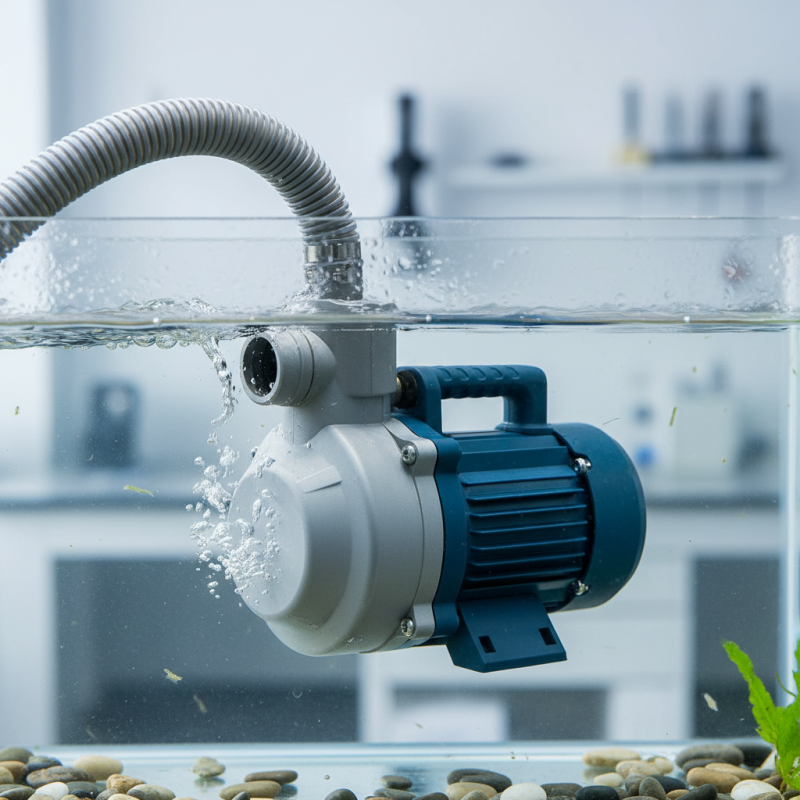
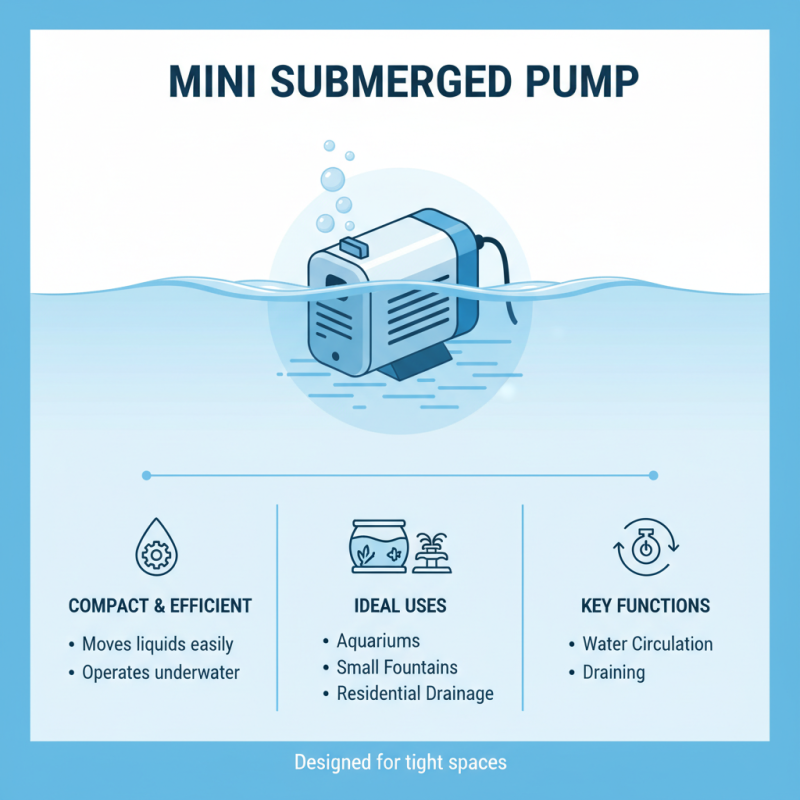
A mini submerged pump is a compact device designed to move liquids efficiently. It operates underwater, delivering performance in tight spaces. Often used in aquariums, small fountains, and residential settings, these pumps can be vital for draining or circulating water.
According to a market research report, the mini pump industry is growing at a rate of 5.2% annually. This growth reflects its application in various sectors. Users appreciate the lower power consumption of these devices. Yet, some may overlook maintenance needs. A dirty filter can reduce efficiency.
These pumps usually operate quietly, enhancing their appeal in home settings. But, improper installation can lead to issues. Many users fail to consider the pump’s power rating. This can affect the overall operation. In summary, while mini submerged pumps are useful, they require careful consideration.
Key Features of Mini Submerged Pumps
Mini submerged pumps are efficient devices designed for underwater use. They are often compact and lightweight. These pumps can handle various fluids, including water and light oils. Their design allows them to operate while completely submerged. This feature makes them ideal for applications like aquariums, fountains, and drainage systems.
One key feature of mini submerged pumps is their powerful motor. This motor ensures high flow rates, making them suitable for quick water removal. Additionally, many models come with an adjustable flow rate. Users can customize the output based on specific needs. The pumps often include built-in thermal protection, which prevents overheating during extended use.
These pumps are typically easy to install and operate. However, their efficiency can vary based on the application. Users must consider factors like fluid viscosity and pump placement. Sometimes, inadequate power supply can lead to performance issues. Regular maintenance is necessary to keep the pumps running smoothly. Frequent inspections can help identify potential problems early.
What is a Mini Submerged Pump and How Does It Work? - Key Features of Mini Submerged Pumps
| Feature |
Description |
| Design |
Compact and lightweight design for easy installation in small spaces. |
| Power Source |
Typically powered by electricity, some models may offer solar options. |
| Applications |
Used in aquariums, fountains, and small irrigation systems. |
| Flow Rate |
Varies widely, ranging from a few gallons per hour to several hundred. |
| Material |
Made of durable materials such as plastic or stainless steel for corrosion resistance. |
| Maintenance |
Low maintenance, but regular cleaning is recommended to prevent clogging. |
How Mini Submerged Pumps Operate Mechanically
Mini submerged pumps are essential tools in various applications, especially in water management. They operate through a combination of mechanical components working together. The motor spins an impeller, creating suction to draw water in. Water then flows through the pump and is expelled. This process allows for effective movement of fluids, making these pumps useful for draining and irrigation.
The mechanical design includes seals, bearings, and casing. These parts must withstand submersion pressures. A good seal prevents water from damaging the motor. Loose components can lead to failure. Regular maintenance can help detect wear and ensure efficiency.
Tips: Always check the power supply before operating. Make sure the pump is fully submerged. This helps prevent overheating. Monitor the pump regularly for any unusual sounds. Addressing small issues early can prevent bigger problems later.
Applications of Mini Submerged Pumps in Various Industries
Mini submerged pumps have diverse applications across various industries. In agriculture, for example, they play a critical role in irrigation systems. According to a report by the Global Agriculture Productivity, efficient irrigation can increase crop yields by up to 50%. These pumps help to transfer water from underground sources, ensuring optimal moisture levels for crops. Without them, many farms would struggle to maintain productivity during dry spells.
In the manufacturing sector, mini submerged pumps are essential for fluid transfer. They efficiently handle chemicals and other liquids in different processes. The Chemical Industry Report indicates that utilizing reliable pumps can reduce operational costs by around 20%. However, not all pumps deliver consistent performance. Some might fail under extreme conditions, leading to costly downtimes. This inconsistency necessitates regular maintenance and monitoring to ensure reliability.
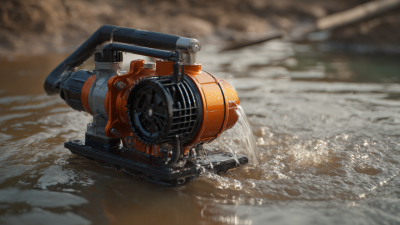
Environmental management is another important application. Mini submerged pumps aid in managing groundwater levels and preventing flooding. They help maintain ecological balance in wetlands and other sensitive areas. However, inappropriate use can disrupt local ecosystems. Recent studies suggest that proper training for operators is necessary to avoid potential damages. The impact of these pumps is significant, but awareness of their effects is crucial for sustainable use.
Maintenance Tips for Mini Submerged Pumps
Mini submerged pumps play a crucial role in various applications, from draining water to aquaculture. To ensure longevity and optimal performance, regular maintenance is essential. A study from the Pump Industry Analysts indicated that nearly 30% of pump failures result from poor maintenance practices. This statistic emphasizes the importance of routine checks.
Cleaning is vital. Accumulated debris can hinder performance. Remove any mud or grime from the pump's exterior. After prolonged use, check the motor for any signs of wear. If you notice abnormal noises, it’s time for a closer inspection. Lubrication is often overlooked but essential for smooth operation. Ensure that moving parts are well-lubricated to prevent friction.
Monitor the pump's operational conditions. If the pump runs dry, it can lead to overheating and potential failure. Additionally, regularly inspect electrical connections. Poor connections can cause inefficiencies and unsafe conditions. Being proactive about these areas can save time and money in the long run. Remember, neglect can lead to costly repairs and downtime.
Mini Submerged Pump Performance and Maintenance Insights
This chart illustrates the performance metrics and maintenance insights for a mini submerged pump, highlighting essential aspects such as water flow rate, energy consumption, operating hours, and maintenance frequency.