Top 10 Mining Slurry Pump Brands You Should Know About?
In the mining industry, efficiency and reliability are paramount. The use of Mining Slurry Pumps plays a crucial role in transporting slurry materials safely and effectively. According to a report by Mordor Intelligence, the global mining pump market was valued at approximately $12 billion in 2020 and is expected to grow significantly due to increasing demands for minerals and metals.
Mining Slurry Pumps must withstand harsh conditions. They are designed to handle abrasive materials that can wear out standard pumps quickly. Data from various industry studies indicates that improper pump selection can lead to failures, resulting in costly downtimes. The importance of choosing the right brand cannot be overstated.
Focused innovation and technological advancements differentiate leading brands in the mining slurry pump sector. Companies are constantly evolving to provide pumps that improve productivity while lowering operational costs. As mining operations expand globally, understanding the top brands will help ensure that projects run smoothly and efficiently.
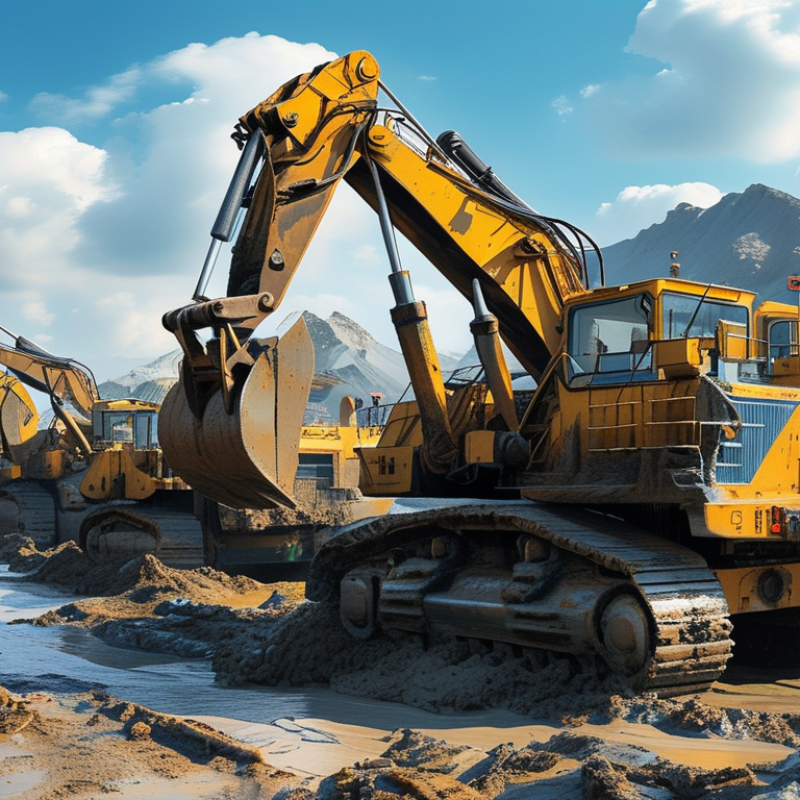
Overview of Mining Slurry Pumps and Their Importance
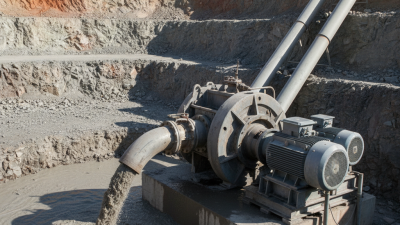
Mining slurry pumps play a crucial role in the extraction and transport of minerals. These pumps are specifically designed to handle abrasive, corrosive slurries. They efficiently move mixtures of water and solid materials, ensuring a smooth operation in mines.
The importance of mining slurry pumps cannot be overstated. They help maintain optimal production levels by preventing blockages and equipment downtime. Operators rely on these pumps to ensure safety and efficiency in challenging environments. The durability of these pumps significantly affects overall operational costs, making proper selection vital.
While many pumps may perform adequately, choosing the right one requires careful consideration. Factors like compatibility with specific slurries and energy consumption are essential. Inadequate pumps can lead to frequent failures, increased maintenance, and substantial losses. Reflecting on these aspects can guide better decision-making in selecting slurry pumps for mining operations.
Key Factors to Consider When Choosing a Slurry Pump Brand
When selecting a slurry pump brand, several key factors arise. Efficiency stands out. Reports indicate that an efficient pump reduces energy costs by up to 30%. This efficiency directly impacts operational budgets. Beyond energy, durability is crucial. Pumps that wear out quickly may lead to unplanned downtimes. A durability benchmark is a pump's expected life cycle, which should ideally exceed five years under normal conditions.
Material selection plays a vital role as well. High-quality materials resist abrasion and corrosion. According to industry standards, pumps made from specific alloys last longer in aggressive environments. Additionally, consider the pump's ease of maintenance. A user-friendly design can cut maintenance time by 20% or more.
It’s essential to reflect on your specific needs. What kind of slurry are you handling? Each application demands different features. Customizable options may enhance performance but often come at a cost. Assess the trade-off between price and expected performance. Ultimately, selecting the right brand means balancing quality, efficiency, and suitability for your specific requirements.
Top 10 Brands: A Detailed Look at Their Features and Offerings
When considering mining slurry pumps, understanding their features is crucial. High efficiency is often a priority. Durable materials ensure long-lasting performance. Many brands utilize heavy-duty components. This reliability is essential in heavy-duty applications. Some pumps may excel in specific conditions, while others may not. Frequent maintenance can be a concern.
Another key feature is the flexibility in design. Some brands offer customizable options for different needs. It's important to analyze your particular situation. Pump compatibility with various systems is vital. Not all pumps work well with all types of slurry. It's wise to assess this before making decisions. Some models may lack adequate support or service. This can lead to operational challenges.
Customer feedback often reveals insights into performance issues. Not every pump meets expectations in the field. Systematic testing and user experiences contribute to deeper understanding. A brand’s reputation should reflect real-world applications. This reflection is what builds trust in the industry, despite occasional shortcomings. It's this balance of performance and reliability that helps in making informed choices.
Comparative Analysis of Performance Among Leading Slurry Pump Brands
When evaluating slurry pump brands, performance is key. Different pumps handle varying materials and conditions. Not all pumps excel in the same environment. Some may perform well with abrasive slurries, while others may struggle. This highlights the importance of precise application matching.
Reliability is critical in slurry pumping. Users often report pump failures due to improper selection. Consistent maintenance can mitigate some issues, yet performance varies between brands. Some pumps are designed for high efficiency. Others prioritize durability over energy consumption. Decision-making can become complex when balancing these attributes.
Cost also plays a significant role in performance analysis. Budget-friendly options may lack features found in premium models. Long-term performance can outweigh initial costs. Key insights can stem from discussing experiences with various pumps. These shared insights often reveal unexpected weaknesses and strengths. Such reflections help in making informed choices in the slurry pump market.
Future Trends in Mining Slurry Pump Technology and Innovations
The mining slurry pump industry is evolving rapidly. Innovations in materials and design are shaping the future. Lightweight and durable materials enhance pump efficiency. Advanced technology enables better performance and longevity. Pump designs are increasingly focusing on reducing wear and tear. A focus on energy efficiency is becoming a priority in development.
Smart technology integration is paving new paths. Real-time monitoring systems can improve operational reliability. Predictive maintenance solutions minimize downtime. These advancements help operators make informed decisions. However, the adoption of these technologies is not universal. Some companies may hesitate due to costs or lack of expertise.
Environmental concerns are also influencing technology changes. Manufacturers are exploring eco-friendly options. Pump systems that use less energy and reduce emissions are vital. However, some solutions may not meet all operational needs effectively. Continuous experimentation is essential for achieving balance in efficiency and sustainability. Understanding these trends can help industry professionals prepare for future challenges.
Mining Slurry Pump Brands Performance Overview