Top 10 Pneumatic Jumbolter Questions Every Buyer Asks?
The Pneumatic Jumbolter is a vital tool for many industries. This equipment simplifies the drilling process and enhances efficiency. As a potential buyer, you might have several questions. Understanding these concerns is crucial for making an informed decision.
You may wonder about the reliability of different models. Quality varies widely in the market. Identifying trusted brands can be daunting. Customer reviews play a significant role here. Look for feedback from professionals who use Pneumatic Jumbolters regularly.
Cost is another important factor. High-quality models often come with a higher price tag. However, investing in a reliable Pneumatic Jumbolter can save money over time. Consider maintenance costs and warranties to ensure you get the best value. Exploring these aspects will empower you, leading to a sound purchasing decision.
Understanding the Pneumatic Jumbolter: A Comprehensive Overview
The pneumatic jumbolter is an essential tool in mining and tunneling operations. It plays a critical role in rock bolting, providing stability in underground structures. Recent industry reports indicate that around 60% of mine collapses occur due to inadequate support, highlighting the importance of efficient support systems like the pneumatic jumbolter.
When considering the pneumatic jumbolter, buyers often ask about its efficiency and safety features. According to data from the International Society of Rock Mechanics, poorly secured bolts can lead to increased downtime and costly repairs. Understanding the mechanics of this tool is crucial. It operates on compressed air, making it powerful yet potentially hazardous if not used correctly. Regular training and proper maintenance are essential for maximizing its performance and mitigating risks.
Many professionals grapple with the choices in technology and design. Decisions involve balancing speed and accuracy with safety. The market is evolving, but some older models still lack the enhancements found in newer iterations. Users must reflect on their specific needs to ensure they select the right equipment for their operations. In some cases, investing in advanced features can lead to a significant reduction in operational hazards. This decision-making process is key in ensuring mine safety and efficiency.
Top 10 Pneumatic Jumbolter Questions Every Buyer Asks
This chart illustrates the importance rating of various factors that buyers consider when looking to purchase a pneumatic jumbolter. Each factor is rated on a scale from 1 to 10, enabling potential buyers to understand what to prioritize during their selection process.
Key Specifications and Features to Consider in a Pneumatic Jumbolter
When choosing a pneumatic jumbolter, buyers should consider key specifications carefully. The air pressure rating is critical. It determines how effectively the tool operates. A high rating often means more power, but compatibility with your air compressor is vital. Check the flow rate, too. An inadequate flow can hinder performance. Remember, not all jobs require the same power.
Weight and portability are also essential features. A lightweight model is easier to maneuver, especially in tight spaces. However, it might sacrifice some durability. Look for a balance. The material used in construction affects long-term reliability. High-quality materials resist wear and tear better, ensuring longevity and performance.
Finally, usability features make a big difference. An ergonomic design reduces operator fatigue. Adjustable settings offer versatility for various tasks. Some models include anti-vibration systems. These features enhance comfort and productivity. Reflect on what you will use the jumbolter for. Each project may present unique challenges that influence your decision. Assessing these factors deeply can guide you to the right choice.
Top 10 Pneumatic Jumbolter Questions Every Buyer Asks
| Question |
Key Specifications |
Important Features |
| What is the maximum drilling depth? |
Up to 30 feet |
Depth adjustability |
| What is the air pressure requirement? |
80-120 PSI |
Pressure regulator |
| What is the weight of the jumbolter? |
Approximately 150 lbs |
Ergonomic design |
| What type of drill bits are compatible? |
Compatible with carbide-tipped bits |
Quick bit change feature |
| What is the average power consumption? |
1.5 kW |
Energy-efficient motor |
| How is maintenance performed? |
Periodic lubrication required |
Easy access to components |
| Is it suitable for different rock types? |
Yes, versatile |
Adjustable settings |
| What safety features are included? |
Safety guards and shut-off valves |
Emergency stop button |
| Does it come with a warranty? |
1-year limited warranty |
Customer support included |
| What is the price range? |
$1,500 - $3,000 |
Value for performance |
The Importance of Maintenance and Safety in Pneumatic Jumbolting Operations
In pneumatic jumbolting operations, maintenance and safety are critical. Poor maintenance can lead to equipment failure, risking worker safety. According to industry reports, nearly 30% of workplace accidents stem from inadequate maintenance of machinery. Regular checks on pneumatic systems, including hoses and connectors, can prevent the majority of these incidents. Operators should ensure that equipment is free from wear and tear which could lead to malfunction.
Safety training provides a necessary foundation. A significant 40% of accidents occur due to a lack of proper training. Workers must understand the risks of pneumatic jumbolting, such as compression injuries and noise-induced hearing loss. Additionally, using personal protective equipment is vital. Audible alarms and hazard signage can also enhance safety measures. Proper training and a culture of safety can significantly reduce the likelihood of incidents.
Equipment should be inspected after every use. This may not always be practical, but a systematic approach to maintenance can identify small issues before they become major problems. Ignoring these practices can lead to costly downtime. A study indicated that proactive maintenance could extend equipment life by 20-25%. Prioritizing safety and maintenance is not just good practice; it’s essential for operational efficiency and employee safety.
Evaluating Cost-Effectiveness: Price vs. Performance in Pneumatic Jumbolters
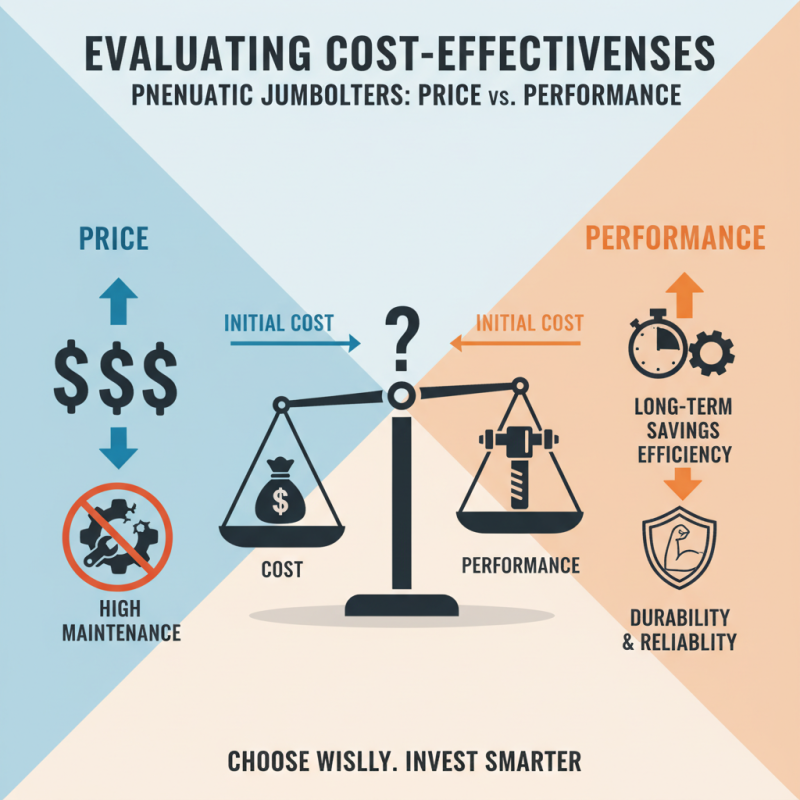
When considering pneumatic jumbolters, buyers often grapple with the balance between cost and performance. Evaluating the initial price is crucial, but understanding long-term efficiency is equally important. A quality jumbolter may come at a higher upfront cost, yet it can lead to savings over time. Durability and reliability can reduce maintenance expenses and downtime.
Performance metrics are vital in this evaluation. For instance, a more efficient jumbolter may speed up operations, enhancing productivity. Buyers should analyze the impact of performance on overall project timelines. Sometimes, initial savings can lead to greater expenses when performance does not meet project demands.
Buyers should also consider the environmental impact. High-performance models might consume more energy, affecting overall operational costs. Reflecting on these factors is essential. The right balance can result in a more affordable solution in the long run while also being effective.
Top Brands and Models: Industry Leaders in Pneumatic Jumbolting Equipment
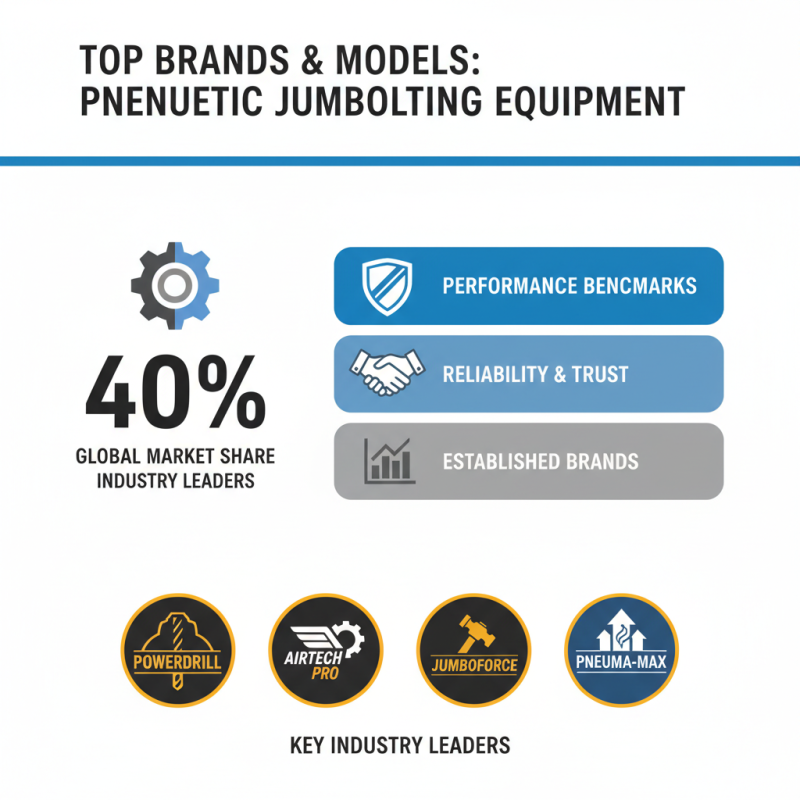
When exploring pneumatic jumbolting equipment, understanding the top brands and models is crucial. Industry leaders have set benchmarks in performance and reliability. According to a recent market analysis, companies focusing on pneumatic jumbolters account for over 40% of the global market share. This indicates strong trust in established brands.
Innovative features are often found in leading models. For instance, high torque output and robust construction are common in top-performing jumbolters. Advanced ergonomics also improve operator comfort and reduce fatigue. However, a significant number of buyers may overlook the importance of service and maintenance. Equipment longevity often depends on using original parts and regular servicing, not just initial investment.
As seen in industry reports, consumer preferences evolve rapidly. Many buyers prioritize eco-friendly features and energy efficiency. Yet, some products lack comprehensive data on energy consumption. This can lead to confusion and misinformed decisions. Buyers should seek reliable sources and user reviews to navigate this complex market effectively.