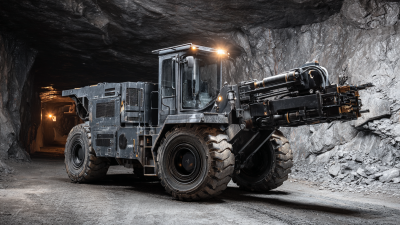
The Ultimate Guide to Choosing the Best Electric Rock Drill for Your Projects
Choosing the right tools for your construction and renovation projects can significantly impact both efficiency and outcomes. Among these vital tools, the Electric Rock Drill stands out due to its versatility and power.
According to a recent industry report by MarketsandMarkets, the global electric drill market is projected to reach $24.09 billion by 2025, driven by an increasing demand for advanced drilling technologies in various sectors, particularly in mining and construction.
When selecting the best Electric Rock Drill for your specific needs, it's essential to consider factors such as the drill's power, durability, and ease of use. This guide aims to provide you with practical tips and insights to make an informed decision, ensuring that your projects are executed smoothly while maximizing performance and safety.
Understanding Electric Rock Drills: Key Features and Specifications
When selecting the best electric rock drill for your projects, understanding key features and specifications is essential. An electric rock drill's power is often determined by its motor capacity, which directly impacts its drilling efficiency and speed. Look for models with high torque ratings that can handle various rock types and densities. Weight and ergonomic design also play crucial roles, as a lightweight and well-balanced drill can reduce user fatigue during prolonged use.
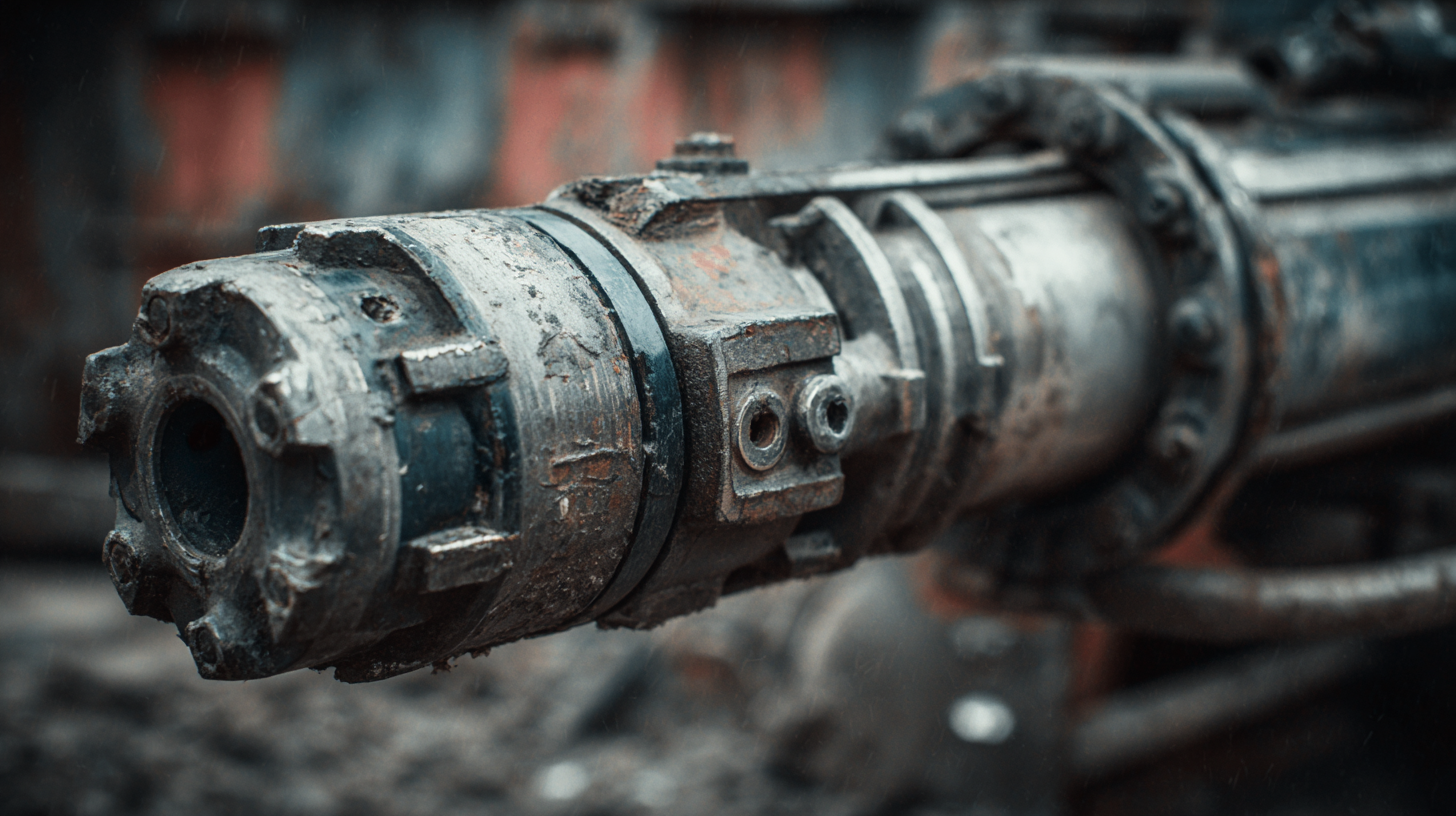
Additionally, consider the drill's versatility and compatibility with different drill bits and attachments. Some modern electric rock drills come equipped with advanced technology that enhances their performance, such as improved cooling systems and energy-efficient designs. These innovations not only make the drills more powerful but also extend their lifespan, offering greater value for your investment. Evaluate these features against your specific project needs to ensure that you choose a drill that delivers both performance and reliability.
Evaluating Power and Performance: Wattage and Torque Considerations
When evaluating electric rock drills for your projects, power and performance are paramount considerations. The wattage of the drill directly influences its ability to handle various materials. A higher wattage typically equates to greater torque, which is essential for drilling through tougher surfaces. Understanding the relationship between wattage and torque can help you select a drill that not only meets but exceeds the demands of your specific tasks, be it in construction or DIY home improvements.
Moreover, performance assessment should extend to how effectively the electric rock drill manages force during operation. Drawing parallels from sports and rehabilitation studies, where muscle performance is evaluated through force-velocity-power characteristics, a similar approach can be taken with electric drills. This involves considering how quickly and powerfully a drill can operate without compromising stability or precision. Features such as variable speed settings and ergonomic design can enhance user experience and performance, ensuring that you're equipped for a wide range of applications while maximizing safety and efficiency.
The Ultimate Guide to Choosing the Best Electric Rock Drill for Your Projects
| Model |
Wattage |
Torque (Nm) |
Speed (RPM) |
Weight (kg) |
Price ($) |
| Model A |
900 W |
30 Nm |
750 RPM |
2.5 kg |
150 |
| Model B |
1100 W |
40 Nm |
1000 RPM |
3.0 kg |
200 |
| Model C |
950 W |
35 Nm |
800 RPM |
2.8 kg |
175 |
| Model D |
1200 W |
50 Nm |
900 RPM |
3.5 kg |
250 |
Safety Features and Their Importance in Electric Rock Drills
When selecting an electric rock drill, safety features should be at the forefront of your decision-making process. According to a report by the National Institute for Occupational Safety and Health (NIOSH), nearly 20% of workplace injuries in construction are caused by improper tool handling and lack of safety measures. This highlights the crucial need for electric rock drills equipped with essential safety features such as overload protection, automatic shut-off mechanisms, and vibration dampening systems. These features significantly reduce the risk of accidents and enhance control during operation, ensuring that both the user and the job site remain safe.
Additionally, studies from the Occupational Safety and Health Administration (OSHA) emphasize that tools designed with user safety in mind can mitigate risks associated with prolonged use, such as RSI (repetitive strain injuries) and other musculoskeletal disorders. Electric rock drills that incorporate ergonomic designs along with features like adjustable torque settings help in minimizing operator fatigue. By investing in a rock drill that prioritizes safety mechanisms, professionals not only comply with regulations but also foster a safer work environment, ultimately leading to higher productivity and efficient project completion.
Comparing Brands: Which Electric Rock Drill Offers the Best Value?
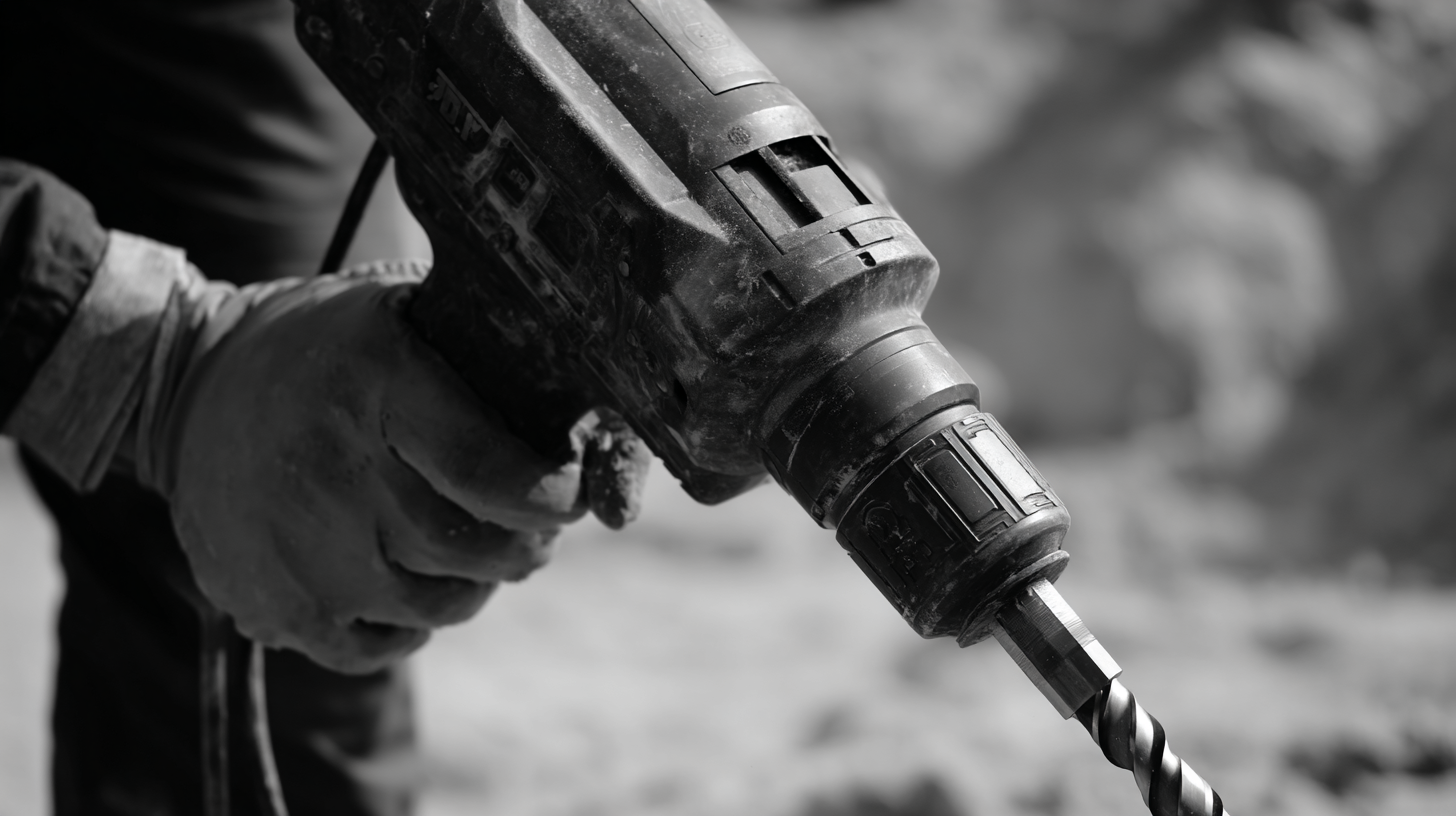
When it comes to selecting the best electric rock drill for your projects, comparing brands is crucial for maximizing your investment. According to the latest market analysis by Grand View Research, the global electric drill market is projected to reach $16.5 billion by 2025, driven by increased construction activities and DIY projects. This growth highlights the importance of choosing a reliable brand that balances performance, durability, and cost. Brands like Makita, DeWalt, and Bosch stand out for their quality and customer satisfaction ratings, with Makita often recognized for its superior torque and lightweight design.
Tip: Before purchasing, consider the specific applications you need the drill for, such as concrete drilling or metal fastening. This will help you align your choice with features such as power rating (measured in watts) and drill bit compatibility, ensuring optimal performance.
Moreover, value doesn't always equate to the lowest price. For instance, a lower-priced drill might lack essential features like variable speed control, which can enhance precision and adaptability. A report from Research and Markets noted that consumers are increasingly willing to invest in tools that offer reliable performance and longevity, rather than opting for cheaper alternatives that may require frequent replacement.
Tip: Always check for warranty and customer support availability when evaluating brand value. A robust warranty often indicates manufacturer confidence in their product quality and can save you costs in the long run.
The Ultimate Guide to Choosing the Best Electric Rock Drill
Maintenance Tips to Extend the Life of Your Electric Rock Drill
To extend the life of your electric rock drill, regular maintenance is essential. Begin with simple tasks such as
cleaning the drill after each use. Dust and debris can accumulate in the ventilation areas and on the casing, which can lead to overheating.
A soft brush or compressed air can effectively remove these particles, ensuring the drill operates smoothly. Additionally, inspect the power cord
and plug for any damage, as frayed wires can pose safety risks and impact performance.
Another critical aspect of maintenance is lubrication. Electric rock drills contain moving parts
that require proper lubrication to function effectively. Check the manufacturer’s guidelines to determine the appropriate type of lubricant
and apply it as recommended. Furthermore, keep an eye on the drill bits; dull or damaged bits can strain the motor, leading to unnecessary wear.
Regularly sharpen or replace them to maintain optimal performance. By implementing these maintenance tips, you can significantly enhance
the longevity and reliability of your electric rock drill.