Unlocking the Power of Demolition Breakers: Tools Transforming Construction and Renovation
In the rapidly evolving landscape of construction and renovation, the importance of
efficient and effective tools cannot be overstated. Among these indispensable tools,
Demolition Breakers stand out as transformative assets that significantly enhance productivity on job sites.
According to a recent market report by ResearchAndMarkets, the global demolition equipment market is projected to reach
$12 billion by 2026, with a major share attributed to the increasing demand for demolition breakers.
This surge is driven by the ongoing urbanization and the need for infrastructure development, indicating that professionals in the industry are recognizing the value
that these tools bring.
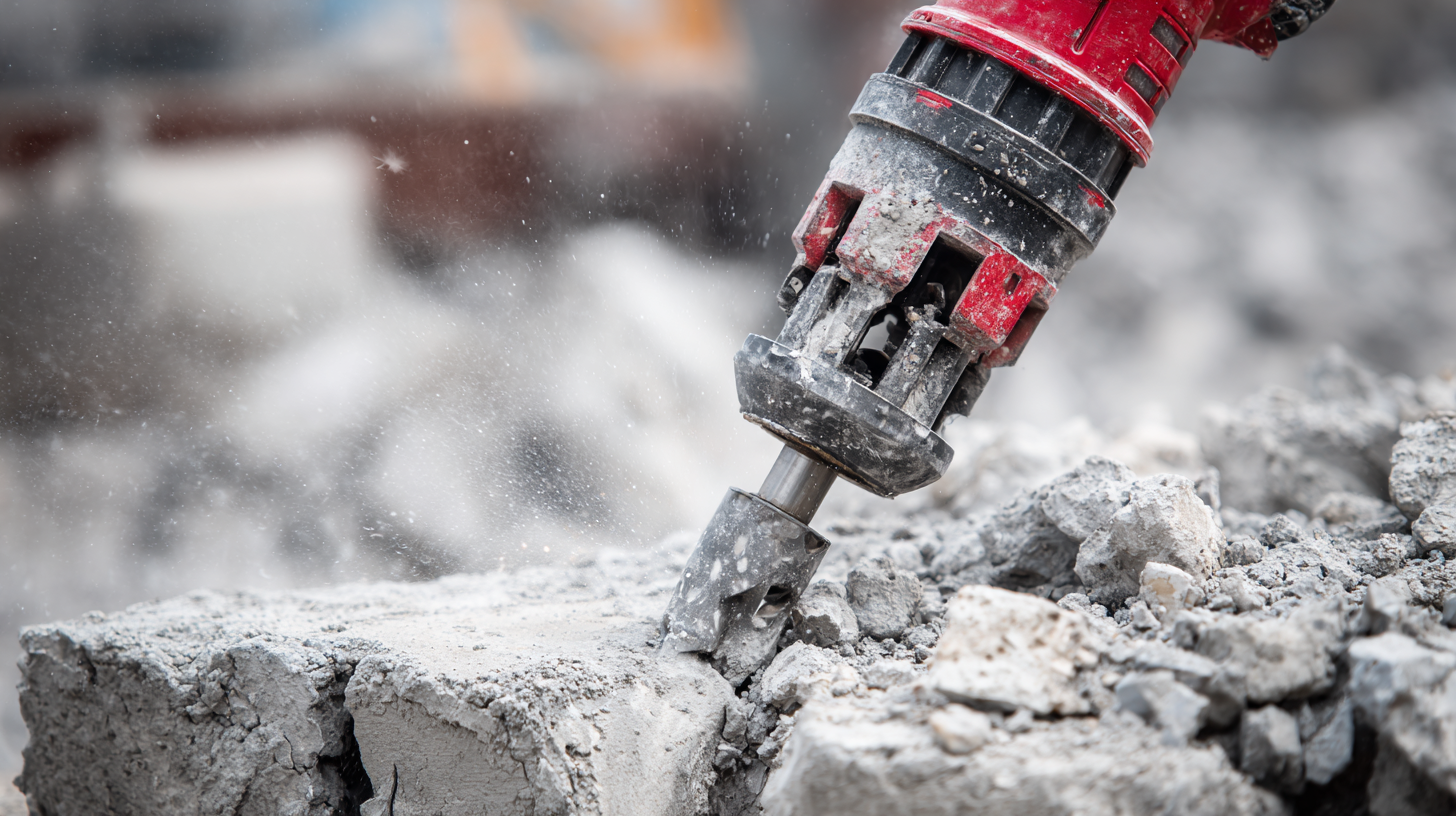 Demolition Breakers are not just ordinary tools; they represent a shift in the approach to demolition and renovation tasks.
As per the latest insights from MarketWatch, the effectiveness of using advanced demolition breakers can
reduce demolition time by up to 50%, allowing for faster project completion and less downtime.
In an era where efficiency is paramount, investing in high-quality demolition breakers is becoming a
strategic necessity rather than a mere option.
This article aims to explore the various facets of these powerful tools, examining how they are reshaping the construction landscape
and providing insights into the best practices for leveraging their capabilities.
Demolition Breakers are not just ordinary tools; they represent a shift in the approach to demolition and renovation tasks.
As per the latest insights from MarketWatch, the effectiveness of using advanced demolition breakers can
reduce demolition time by up to 50%, allowing for faster project completion and less downtime.
In an era where efficiency is paramount, investing in high-quality demolition breakers is becoming a
strategic necessity rather than a mere option.
This article aims to explore the various facets of these powerful tools, examining how they are reshaping the construction landscape
and providing insights into the best practices for leveraging their capabilities.
Innovative Features of Modern Demolition Breakers Enhancing Performance
Modern demolition breakers have revolutionized the construction and renovation industries with their innovative features designed to enhance performance and efficiency. One of the most significant advancements is the integration of advanced vibration control technology, which minimizes operator fatigue while maximizing precision during heavy demolition tasks. This feature not only improves comfort but also increases productivity, allowing workers to tackle challenging projects more effectively.
Additionally, many contemporary demolition breakers are equipped with variable impact energy settings. This allows operators to adjust the strength of the blows according to the material they are working with, whether it's concrete, brick, or asphalt. This versatility not only optimizes performance but also extends the lifespan of the tool by preventing unnecessary wear and tear. The introduction of lightweight composite materials has also made these tools easier to handle, thereby improving maneuverability and reducing the overall physical strain on operators during prolonged use.
Unlocking the Power of Demolition Breakers: Tools Transforming Construction and Renovation
| Feature |
Description |
Performance Enhancement |
Weight Category |
| Hydraulic Power |
Uses hydraulic force for efficient demolition |
Increased impact force |
Heavy |
| Vibration Control |
Reduces operator fatigue and improves control |
Higher precision |
Medium |
| Electric Motors |
Environmentally friendly with lower emissions |
Consistent power delivery |
Light |
| Multi-functional Attachments |
Compatible with various attachments for versatility |
Enhanced functionality |
Varied |
| Digital Integration |
Incorporates IoT for performance monitoring |
Real-time analytics |
N/A |
Comparative Analysis: Choosing the Right Demolition Breaker for Your Project
When embarking on a construction or renovation project, selecting the right demolition breaker is crucial for efficiency and effectiveness. With various types available—ranging from electric to hydraulic models—the choice can often be overwhelming. Each kind has its unique features tailored to different forms of demolition. For example, lighter models are typically better suited for smaller tasks within home repairs, while heavier breakers excel in larger demolition jobs, enabling more substantial breakthroughs with less effort.
In addition to the type of breaker, the size and weight are also significant factors to consider. A heavier tool might provide more force, but it can be cumbersome for precise work. An ideal demolition breaker should strike a balance between power and maneuverability, ensuring that it fits seamlessly into the workflow of the project. It’s also beneficial to explore user reviews and expert recommendations, which can provide insights into performance and durability. Ultimately, understanding these aspects will empower you to choose a demolition breaker that aligns with your specific project needs.
Safety First: Best Practices for Using Demolition Breakers on Site
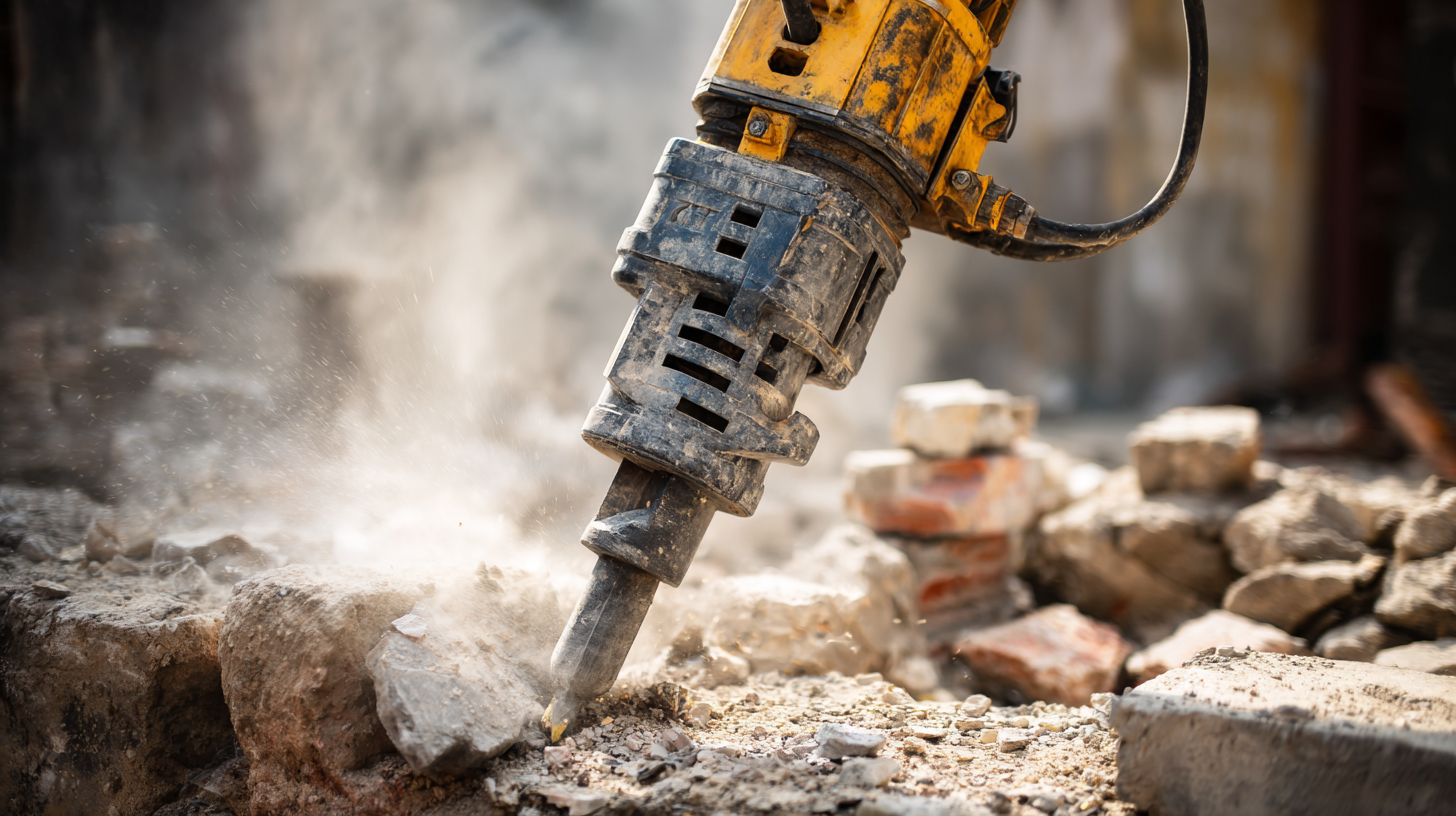 When utilizing demolition breakers on construction and renovation sites, prioritizing safety is essential. This equipment produces significant vibrations and noise, which can lead to hazardous conditions if proper precautions are not taken. According to recent industry reports, nearly 25% of injuries in construction are related to falls, equipment usage, or exposure to harmful dust—a risk significantly elevated in demolition work.
Implementing best practices such as wearing appropriate personal protective equipment (PPE), ensuring proper ventilation, and conducting regular safety training can mitigate these risks effectively.
When utilizing demolition breakers on construction and renovation sites, prioritizing safety is essential. This equipment produces significant vibrations and noise, which can lead to hazardous conditions if proper precautions are not taken. According to recent industry reports, nearly 25% of injuries in construction are related to falls, equipment usage, or exposure to harmful dust—a risk significantly elevated in demolition work.
Implementing best practices such as wearing appropriate personal protective equipment (PPE), ensuring proper ventilation, and conducting regular safety training can mitigate these risks effectively.
Moreover, the emergence of automation and demolition robots is revolutionizing safety protocols in the field. These technologies not only improve efficiency but also minimize human exposure to dangerous environments. A study showed that using robotics in demolition can reduce on-site accidents by as much as 40%, showcasing the potential benefits of integrating such innovations into traditional demolition practices. As the industry evolves, staying informed about the latest technology and safety standards will be crucial for both workers’ wellbeing and project success.
Maximizing Efficiency: Tips for Effective Operation of Demolition Breakers
 Demolition breakers are crucial tools in the construction and renovation sectors, maximizing efficiency and effectiveness across diverse applications. As the industry evolves, innovations such as remote-controlled demolition robots are emerging, enhancing productivity while prioritizing safety. A report indicates that incorporating such advanced technologies can lead to a significant increase in operational efficiency, often by over 30%, allowing concrete contractors to streamline their sawing operations effectively.
In addition, the choice of equipment plays a pivotal role in maximizing performance. Companies investing in high-durability, low-maintenance tools, such as sorting grabs and specialized material handlers, report substantial cost savings and improved reliability in their operations. For instance, the use of purpose-built material handlers has shown to reduce operating costs while simultaneously increasing processing capacity at waste and recycling facilities. As the demand for more efficient demolition solutions rises, understanding and leveraging these advanced tools will be essential for companies aiming to stay competitive in the fast-paced construction environment.
Future Trends: The Evolution of Demolition Tools in the Construction Industry
As the construction industry continues to evolve, the landscape of demolition tools is undergoing significant transformation, driven by technological advancements and changing job dynamics. The integration of robotics and automation in demolition processes is particularly noteworthy. Competitions like the recent skill contest in Nanjing highlight the industry's shift towards combining traditional craftsmanship with state-of-the-art technology. This trend not only enhances efficiency but also addresses the growing skills gap in the workforce, showcasing the necessity for workers to adapt to new tools and techniques.
Looking ahead, the development of demolition breakers and other automated tools will likely play a pivotal role in shaping the future of construction and renovation. As companies strive to improve productivity while ensuring safety, innovative tools that leverage artificial intelligence and advanced engineering will become essential. The trend signifies not just a shift in tools, but a fundamental change in how demolition tasks are approached, reflecting broader economic and technological trends impacting employment and skills in the industry.
Unlocking the Power of Demolition Breakers