7 Best Mining LED Headlamps for Global Buyers?
Choosing the right Mining Led Headlamp requires more than comparing brightness figures. Underground work combines darkness, dust, vibration, moisture, confined spaces, and long shifts. A lamp that performs well in a laboratory may disappoint beside a wet haulage road.
The International Energy Agency reports that industrial energy efficiency increasingly depends on durable, efficient equipment. Lighting is a small energy load, yet reliability affects productivity and worker confidence. The International Commission on Illumination also stresses that visual performance depends on distribution, glare control, colour rendering, and surrounding conditions. Brightness alone is not enough. Sometimes, it is misleading.
Mining safety guidance from the U.S. Mine Safety and Health Administration highlights the importance of approved cap lamps and dependable illumination in underground operations. NIOSH research has also examined lighting, visibility, trip hazards, and human factors in mining environments. These findings support a practical buying approach: inspect beam coverage, battery endurance, ingress protection, charging design, helmet compatibility, and certification requirements for each market.
Mining safety specialist Dr. David Cliff has repeatedly emphasized the human side of mine safety, stating, “People are the most important asset in the mining industry.” That principle should guide every lamp evaluation. A lighter lamp may reduce neck strain. A wider beam may reveal uneven ground. A sealed housing may survive a muddy shift.
This guide compares seven Mining Led Headlamp options for global buyers. The ranking is not perfect. Product data can change, and field conditions differ sharply. Buyers should verify current certifications, test reports, warranty terms, and local compliance before purchase. Practical evidence matters more than impressive packaging.
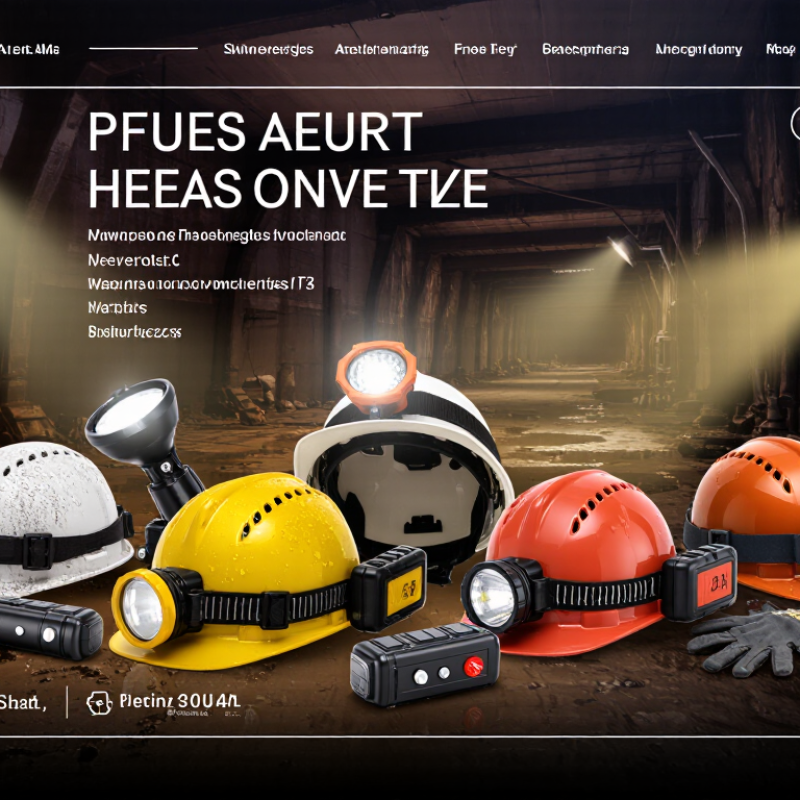
What Makes a Mining LED Headlamp Suitable for Global Buyers
For global buyers, a suitable mining LED headlamp must survive dust, moisture, vibration, and repeated impacts. Its housing should resist harsh underground conditions without becoming bulky. An IP rating matters, but buyers should verify its test scope and documentation. In underground work, a focused beam can reveal loose rock, wet surfaces, and cable edges. Too much brightness can create glare. That detail is often overlooked.
Safety needs careful checking. A lamp intended for hazardous areas must carry certification accepted in the target market. Requirements differ between countries and mining zones. Importers should compare certificates, test reports, and operating limits before placing orders. Clear manuals, traceable documents, and responsive technical support also show supplier reliability. These details build confidence.
Battery behavior matters. A practical model should provide stable illumination across a full working shift, not only during laboratory testing. Cold storage, charging habits, and battery age can reduce runtime. Replaceable battery packs may simplify maintenance, but they need secure locking and safe charging procedures. Helmet clips must hold firmly during climbing, bending, and vehicle movement. Operators also need a switch that works with gloves. Not every high-lumen lamp suits every mine. I would question any supplier promising identical performance in every climate. Small omissions can become expensive.
Seven Leading Mining LED Headlamp Types and Their Key Features
7 Best Mining LED Headlamps for Global Buyers?
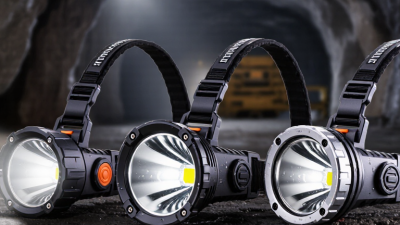
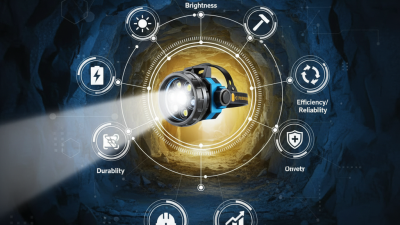
Mining work demands more than brightness. The seven leading types include corded cap lamps, cordless rechargeable lamps, hard-hat mounted flood lamps, intrinsically safe lamps, wireless tracking lamps, high-CRI inspection lamps, and hybrid spot-flood lamps. Corded models support long shifts. Rechargeable units reduce cable snagging. Hard-hat lamps spread light across uneven tunnels. Intrinsically safe designs require verified protection for hazardous atmospheres. Wireless versions can support worker location systems. High-CRI lamps reveal cable colors and mineral details. Hybrid beams switch between distant focus and close-range flood lighting.
Safety remains the first filter. The U.S. Mine Safety and Health Administration recorded 40 mining fatalities in 2023. That figure reinforces the need for dependable visibility and certified electrical protection. Buyers should check IEC 60079 requirements, local approvals, ingress protection, impact resistance, and battery transport documentation. The U.S. Department of Energy reports that LED lighting uses at least 75% less energy than incandescent lighting and lasts much longer. Still, headlamp performance depends on heat control, charging habits, and battery age.
More light is not always better. High-lumen claims can hide poor runtime or uncomfortable glare. Field teams should test beam width, glove-friendly switches, charging time, and actual shift endurance underground. A practical weakness remains: published runtime figures often use ideal laboratory settings. Real dust, cold temperatures, and repeated impacts can reduce performance. No single type fits every mine. Reliable selection needs measured testing, not only impressive packaging claims.
How to Compare Brightness, Battery Life, Durability, and Comfort
Choosing among the seven best mining LED headlamps requires more than comparing advertised lumen numbers. Brightness should match the work area, not simply reach the highest figure. A narrow beam helps inspect distant tunnels, while a wider beam improves awareness near machinery. Check whether the lamp maintains its output after ten minutes, because some lights dim quickly as they heat. Numbers can mislead. A practical test involves reading labels at several distances in dusty, low-light conditions.
Battery life should be measured at the brightness level workers actually use. A lamp claiming twelve hours may provide far less time at maximum output. Look for replaceable batteries, clear charge indicators, and secure charging protection. Durability also matters underground. A strong housing, sealed switches, water resistance, and tested impact protection can prevent failure after a drop onto wet rock. However, ratings are not magic; damaged seals reduce protection. Inspect them regularly.
Comfort is easy to ignore during a short demonstration. It becomes critical during an eight-hour shift. Compare strap width, forehead pressure, helmet compatibility, and weight balance. A rear battery pack may reduce front pressure but can catch on clothing or equipment. I once favored the brightest model and regretted it after an hour of neck strain. That experience changed my evaluation: the best choice combines stable light, dependable runtime, rugged construction, and a fit workers can tolerate every day.
7 Best Mining LED Headlamps for Global Buyers? - How to Compare Brightness, Battery Life, Durability, and Comfort
| Rank |
Headlamp Profile |
Max Output
(lm) |
Useful Beam
Distance (m) |
Runtime at
Medium (h) |
Battery Type |
Ingress
Protection |
Impact
Resistance |
Weight
(g) |
Operating
Temperature |
Comfort & Control |
Best Use |
| 1 |
High-Output Industrial Headlamp |
1,500 |
180 |
8–10 |
Rechargeable lithium-ion |
IP68 |
1 m drop |
180 |
−20°C to 45°C |
Balanced strap; large-glove button |
Large underground work areas |
| 2 |
Long-Range Tunnel Headlamp |
1,200 |
220 |
7–9 |
Rechargeable lithium-ion |
IP67 |
1 m drop |
165 |
−20°C to 45°C |
Focused beam; rear battery balance |
Long drifts and inspection routes |
| 3 |
Extended-Shift Headlamp |
900 |
140 |
12–16 |
High-capacity lithium-ion |
IP68 |
1 m drop |
230 |
−20°C to 45°C |
Slightly heavier; soft top strap |
Full-shift operations |
| 4 |
Compact Daily-Use Headlamp |
600 |
100 |
8–12 |
Rechargeable lithium-ion |
IP67 |
1 m drop |
105 |
−10°C to 40°C |
Low profile; easy one-hand control |
Routine maintenance work |
| 5 |
Cold-Climate Mining Headlamp |
800 |
125 |
7–10 |
Replaceable lithium-ion pack |
IP68 |
1 m drop |
195 |
−30°C to 45°C |
Insulated cable; helmet-compatible |
Cold-region and outdoor mines |
| 6 |
Low-Cost Rechargeable Headlamp |
500 |
85 |
6–9 |
Rechargeable lithium-ion |
IP65 |
1 m drop |
115 |
−10°C to 40°C |
Basic elastic strap; USB charging |
Backup equipment and light tasks |
| 7 |
Lightweight Inspection Headlamp |
400 |
70 |
5–8 |
Rechargeable lithium-ion |
IP66 |
1 m drop |
85 |
−10°C to 40°C |
Very light; adjustable tilt |
Short inspections and surveys |
Comparison note: Brightness is stated in lumens, while useful beam distance depends on beam angle and optical design. Runtime varies with temperature, battery age, and operating mode. IP ratings indicate protection against dust and water under controlled test conditions; they do not replace site-specific safety certification.
Mining Safety Standards, Certifications, and Regional Requirements
Mining Safety Standards, Certifications, and Regional Requirements
A mining headlamp is safety equipment, not simply a brighter flashlight. The International Labour Organization reports that mining employs about 1% of the global workforce but causes roughly 8% of fatal occupational accidents. In the United States, MSHA recorded 40 mining fatalities in 2023. These figures explain why certification matters before brightness, battery capacity, or beam distance.
Global buyers should match the lamp to the mine’s hazard classification. In the United States, permissible cap lamps require MSHA approval under 30 CFR Part 19. European underground mines may require ATEX certification under Directive 2014/34/EU, often covering Group I equipment for methane and coal dust. IECEx certification supports international procurement, but local acceptance still needs verification. Australia commonly applies the AS/NZS 60079 series, while other regions may demand national approval marks. A certificate number should be searchable, current, and linked to the exact lamp model.
Field checks should include enclosure impact resistance, ingress protection, battery temperature, charging controls, and methane ignition protection. Inspectors should also examine damaged cables and loose helmet mounts. A bright beam proves little. One label can still mislead. Certification may cover the lamp, but not an unapproved battery pack or charger. Procurement teams sometimes miss this detail. I would request the certificate, test conditions, user manual, and regional approval before purchase. Site ventilation, dust levels, and maintenance practice must influence the final selection. No checklist replaces an on-site risk assessment.
How to Choose the Right LED Headlamp for Different Mining Conditions
Choosing among the seven best mining LED headlamps starts with the mine, not the brightness claim.
Underground coal operations need certified intrinsically safe equipment, such as products meeting applicable MSHA, IECEx, or ATEX requirements. Hard-rock sites demand stronger dust and water protection. An IP67 rating can withstand temporary immersion and heavy dust, but certification details still require checking.
Beam shape matters underground.
A narrow, high-candela beam helps operators inspect distant roofs, haulage routes, and drilling points. A wider beam supports equipment checks and close-range movement. Lumens alone can mislead. Select a lamp with stable output, low glare, and at least one full-shift runtime under real working conditions.
NIOSH research on mine illumination has repeatedly linked better visual conditions with safer task performance, although battery age and dirty lenses can quickly reduce that benefit.
Temperature changes also affect choice.
Cold locations need batteries tested for low-temperature performance, while hot, humid mines need reliable thermal control.
MSHA recorded 40 U.S. mining fatalities in 2023, according to its annual safety statistics. The ILO reports that mining employs roughly 1% of the global workforce but accounts for about 8% of fatal occupational accidents.
These figures make certification and maintenance more than purchasing details. Test the lamp with gloves, dust, and a face shield. It may feel less convenient. Check charging compatibility, strap stability, switch size, and emergency backup time. A perfect lamp on paper can still fail during a long, wet shift.