Top Tips for Choosing the Best Demolition Breaker?
Choosing the right Demolition Breaker can significantly impact your project’s efficiency. According to industry expert John Smith, “Selecting a quality demolition tool makes all the difference.” His insights reflect the importance of understanding your needs.
Demolition Breakers come in various types and sizes, tailored for different applications. Different features cater to unique requirements, such as power, weight, and noise levels. A heavy-duty breaker might seem beneficial, but it could overwhelm smaller projects. Evaluating specific tasks can lead to better choices.
Many users overlook essential details during the selection process. It’s easy to be swayed by flashy features without considering practical implications. While power is important, portability and ease of use deserve attention too. Ultimately, a thorough understanding of your project needs will guide you to an effective Demolition Breaker.
Understanding the Different Types of Demolition Breakers
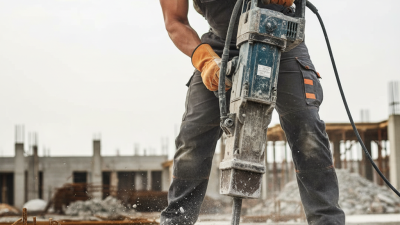
When selecting a demolition breaker, understanding the different types available is crucial. Primarily, there are electric and hydraulic options. Electric breakers are lightweight and easier to handle. They are great for smaller jobs, especially in confined spaces. However, they may lack the power for tougher tasks.
On the other hand, hydraulic breakers offer more strength. They are ideal for heavy-duty projects. Their robust design allows for effective demolition of concrete and masonry. Yet, they may require more maintenance and create noise. Balancing power against convenience is key when making a choice.
Users often overlook the importance of weight and size. A heavier breaker might provide more force, but it can be tiring to use. In contrast, a lighter model may be more manageable yet less effective on hard surfaces. It's essential to reflect on the intended use and environment before deciding. Failure to consider all aspects can lead to frustration during operation.
Evaluating Power and Performance Specifications
When choosing a demolition breaker, understanding power and performance is crucial. The machine's wattage often indicates its strength. Higher wattages typically result in better performance. Look for models that offer a balance between power and weight. Heavy machines can exert more force, but they may be harder to handle. It’s essential to find a breaker that you can control effectively.
Consider the impact energy, measured in Joules. This reflects how much force is delivered with each blow. More impact energy means quicker results. However, too much energy can lead to operator fatigue. It's a challenge to find the ideal level for your specific needs. Adjusting impact settings can help tailor performance based on the material you're working with.
Versatility matters too. Some breakers excel in various tasks. They may offer different modes for concrete, brick, or softer materials. Yet, the complexity of features can be overwhelming. Users might overlook how easy they are to use. Assessing usability can help avoid mistakes when making a choice. Remember, a powerful tool is only effective if you can operate it confidently.
Power and Performance Specifications of Demolition Breakers
This chart illustrates the power (in watts) and performance scores of various demolition breaker models. It aids in comparing their specifications to help in making an informed decision on the best demolition breaker based on power and performance capabilities.
Assessing Weight and Portability Considerations
When choosing a demolition breaker, weight and portability are crucial factors. A heavier breaker often provides more power but can be cumbersome. If you plan to move it frequently, lighter models may be ideal. Assess your job locations and whether you'll be working on scaffolding or uneven surfaces.
Consider the balance between power and convenience. If a breaker is too heavy, it can lead to fatigue. You may find that a lighter model, while less powerful, allows for better control and efficiency. Weighing the options carefully is essential for optimal performance.
Examine the features that enhance portability. A design with wheels or a compact size can make transportation easier. Check the handle grips too; a comfortable grip reduces strain during extended use. Portability shouldn't compromise your ability to complete the job effectively. Prioritize your needs to find the right balance.
Reviewing Safety Features and User Comfort
When selecting a demolition breaker, user comfort and safety features are paramount. The weight of the tool plays a crucial role. A lighter tool can reduce fatigue during prolonged use. However, it may sacrifice power. Balancing these aspects is essential, especially when working on large projects.
Another key factor is vibration control. Excessive vibrations can lead to hand-arm vibration syndrome (HAVS). Look for breakers designed to minimize vibrations. Ergonomic handles are also important. They provide a comfortable grip, allowing for better control. Choosing a model with adjustable grips can enhance user comfort further.
Safety features should never be overlooked. A reliable safety switch can prevent accidental startup. Consider a model with overload protection to avoid damage. Additionally, ensure the tool has effective dust suppression. This protects users from inhaling harmful particles. It’s essential to weigh these features carefully, reflecting on how they align with your specific needs and safety standards.
Comparing Price and Warranty Options for Demolition Breakers
When purchasing a demolition breaker, understanding price and warranty options is essential. Prices can vary significantly based on features and performance. Typically, more powerful models come with a higher price tag. Assess your project needs to determine what level of performance is necessary. A high price doesn't always guarantee superior quality; sometimes, affordable options perform just as well for specific tasks.
Warranties provide crucial insights into the manufacturer's confidence in their product. A longer warranty period often indicates better durability and reliability. Compare different models, paying attention to what the warranty covers. Some warranties may only include parts, while others cover labor costs as well. Understand the terms to avoid unexpected expenses after purchase.
Consider user reviews for real-world feedback on both price and warranty. These insights can reveal how the product holds up over time. Reflect on any negative experiences shared by others. They can highlight potential pitfalls to watch out for. Balancing price and warranty ensures you make a wise investment in your demolition project.